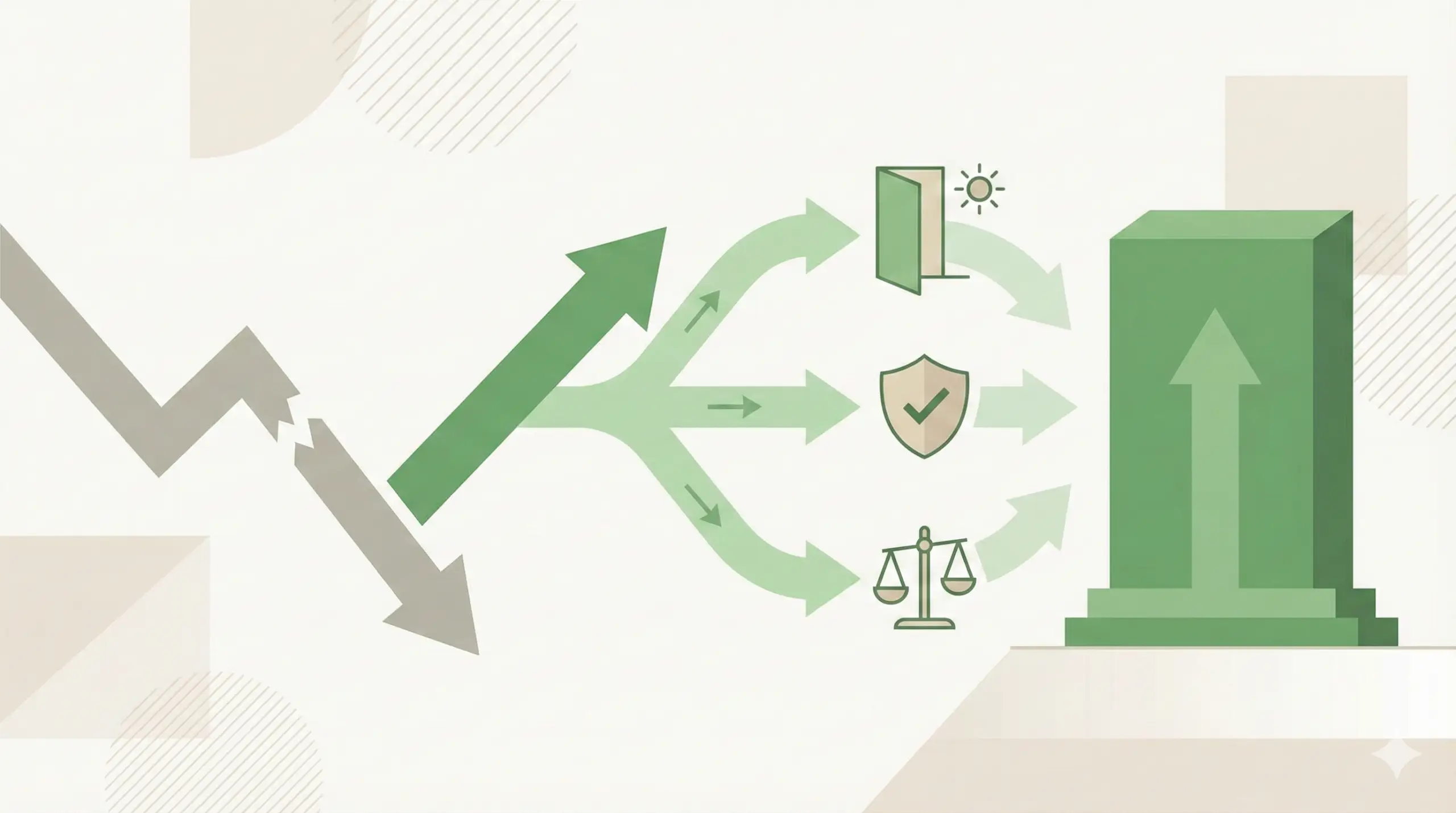
The year 2026 has arrived, and if you’ve been tracking the housing market, you know the landscape feels quite different from the volatility we saw just a few years ago. For busy professionals, buying a home or refinancing isn’t just about finding the right house—it’s about locking in a strategy that protects your long-term financial health.
When we talk about 30-year fixed mortgage rates 2026, we aren’t just looking at a percentage point on a screen. We are looking at a thirty-year commitment. Whether you are a first-time buyer or a seasoned investor, navigating these rates requires more than just a calculator; it requires a bit of intuition and a clear, actionable plan.
Let’s break down how to approach the 2026 mortgage market without the usual stress.
Understanding the Current Rate Environment (2026 Outlook)
Honestly, if I had a dollar for every time someone asked me, “Is now the right time to lock in?”, I’d have enough to put a substantial down payment on a second home. The reality in 2026 is that rates have stabilized into a “new normal.” We aren’t seeing the extreme spikes of the mid-2020s, but we also aren’t living in the era of sub-3% “free money.”
Professionals often get caught up in trying to “time the market.” Here is a piece of advice: The market is rarely going to align perfectly with your life calendar. Instead of hunting for the elusive “bottom,” focus on how a 30-year fixed rate integrates into your current cash flow.
Step 1: Audit Your Financial “Health Score”
Before you even start browsing property listings, you need to look at your financial profile through the eyes of a lender. In 2026, lenders are scrutinizing debt-to-income (DTI) ratios more closely than ever.
- The Credit Check: Beyond just your FICO score, look for inaccuracies. A simple clerical error from three years ago can cost you a quarter-percent on your rate—which, over 30 years, is tens of thousands of dollars.
- DTI Optimization: If you’re carrying high-interest consumer debt, pay it down before applying for a mortgage. It sounds basic, but you’d be surprised how many people forget that their car payment or credit card minimums directly reduce their mortgage buying power.
Step 2: Define Your “Fixed” Strategy
Why choose a 30-year fixed rate in 2026? It’s simple: Predictability. As a professional, your time is your most valuable asset. The last thing you want is the “payment shock” that comes with an Adjustable-Rate Mortgage (ARM) if the economy takes a turn.
Pro-Tip: If you plan on staying in the home for more than 7–10 years, the 30-year fixed is almost always your safest bet. It allows you to budget your monthly expenses with absolute certainty, regardless of what the broader economy does.
Step 3: Shopping for Rates—The “Rate-Shopping Window”
Most people think you just take the rate your bank offers. Please, don’t do that. That’s a common pitfall that leaves money on the table.
In 2026, the mortgage technology stack has evolved. You can use platforms to compare lenders, but nothing beats a direct conversation with a local mortgage broker. A good broker acts as a filter, finding specialized products that aren’t advertised on the big “mega-bank” websites.
The Golden Rule: All mortgage inquiries made within a 14- to 45-day window usually count as a single “hard pull” on your credit report. Don’t be afraid to compare at least three different lenders. This competition is exactly what drives your rate down.
Step 4: Mastering the Art of the Rate Lock
You’ve found the house. The offer is accepted. Now, you’re staring at the “Rate Lock” button. This is where most people get nervous.
In 2026, “float-down” provisions are becoming more common. Ask your lender: “If market rates drop before my closing date, do I have the option to trigger a one-time float-down?” Not every lender offers this, but it’s a brilliant way to protect yourself against a sudden market shift while you’re under contract.
Common Pitfalls to Avoid (And How to Dodge Them)
Even the most meticulous professionals fall into these traps. Let’s make sure you don’t.
1. The “Big Purchase” Trap
You’re under contract for the house, and suddenly you think, “I need new furniture for the living room.” Stop. Do not make any large purchases on credit between the time you apply for the loan and the day you close. It changes your DTI ratio and can disqualify you at the eleventh hour. Yes, this actually happens more often than you’d think.
2. Underestimating Closing Costs
“I have the down payment, so I’m good.” Not quite. Closing costs in 2026 are still hovering between 2% and 5% of the loan amount. If you don’t account for these, you’ll be scrambling at the finish line. Always ask for a “Loan Estimate” document early—it’s the universal format that makes comparing lender costs actually possible.
3. Ignoring the “Break-Even” on Points
Paying “points” (upfront fees to lower your interest rate) is a popular move. But calculate the math: If it costs you $5,000 to lower your monthly payment by $50, it will take you over eight years to break even. If you think you might move in five, you’re losing money.
FAQs: Your Quick-Reference Guide for 2026
Q: Are 30-year fixed rates expected to drop further in 2026? Answer: Economic forecasts suggest a plateau. While minor fluctuations happen monthly, banking on a massive rate drop is speculative. If the math works for your budget today, lock it in.
Q: Does it make sense to refinance if I bought at a higher rate last year? Answer: If you can lower your rate by at least 0.75% to 1%, it’s often worth the closing costs. Run the “Break-Even Analysis” we discussed earlier.
Q: How much does my debt really impact my rate? Answer: More than you think. Lenders look at risk. Lower debt means lower perceived risk, which often puts you into a higher credit tier—giving you access to the “best-case” interest rates.
Final Thoughts: Focus on the Long Game
Buying a home in 2026 isn’t just about the rate—it’s about the peace of mind. A 30-year fixed mortgage is essentially a hedge against inflation. Over three decades, that monthly payment will feel smaller and smaller as your income potentially grows and inflation does the heavy lifting.
Don’t let the complexity of the process intimidate you. By keeping your credit clean, shopping your rate, and avoiding those mid-transaction spending sprees, you’ll be in a position to secure a mortgage that doesn’t just get you a house, but anchors your financial future.
You’ve got this. Take it one step at a time, verify the numbers, and remember: this is a business transaction, but it’s for your home. Treat it with the professionalism it deserves, but don’t forget to enjoy the process of building your equity.