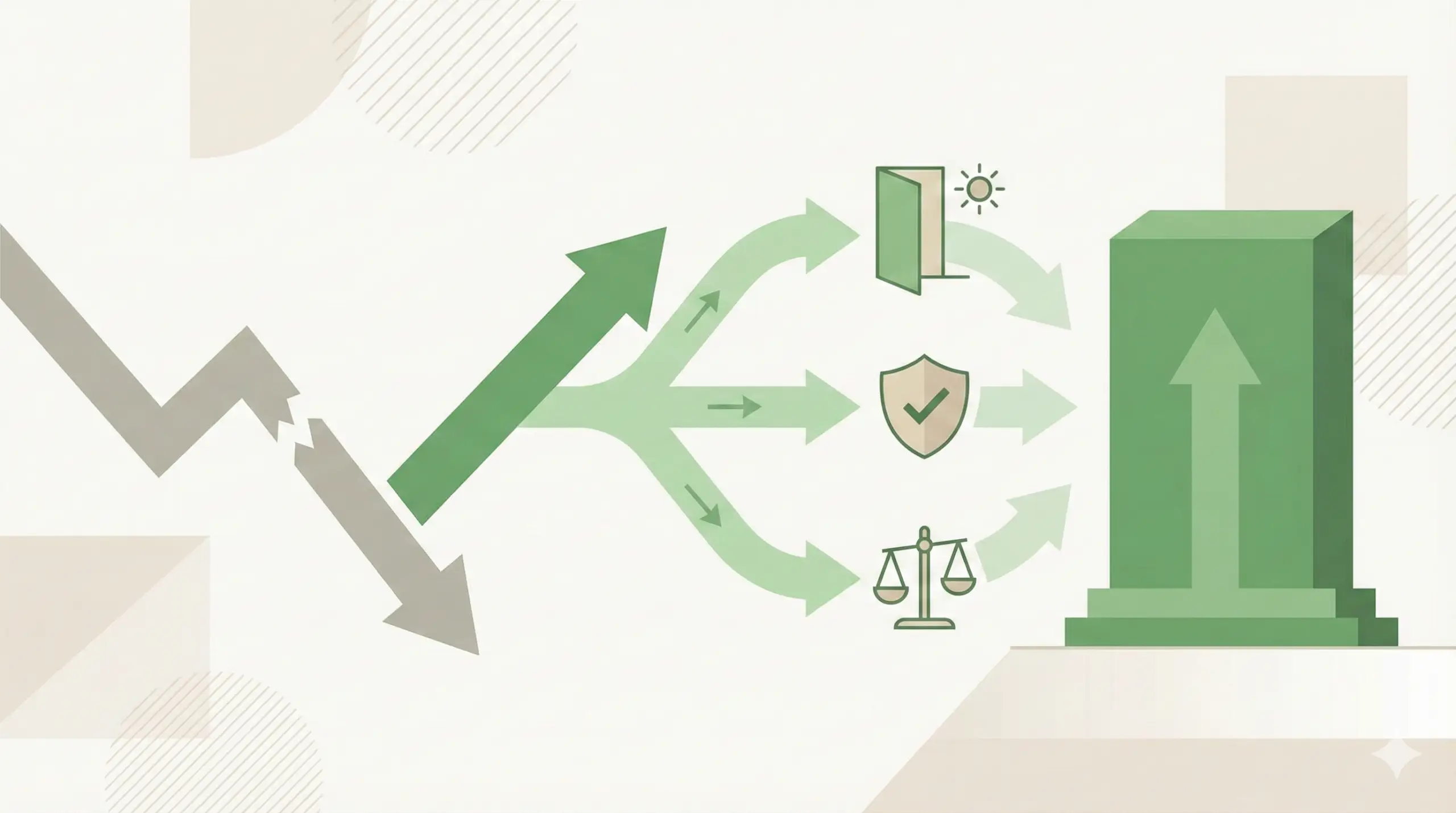
The real estate landscape is shifting—and honestly, if you’re still relying solely on traditional appraisal methods for energy-efficient properties, you’re likely leaving significant value on the table. For us professionals, the challenge isn’t just about calculating square footage anymore; it’s about understanding the silent, high-performance machinery humming behind the walls of a net-zero home.
When we talk about “net-zero home valuation,” we aren’t just talking about a shiny new heat pump. We’re talking about a fundamental shift in how we assess long-term asset performance. In this guide, we’ll walk through how to bridge the gap between standard appraisal practices and the nuanced reality of high-performance buildings.
The Core Difference: Why Standard Appraisals Fall Short
Let’s be real: A standard appraisal is designed for a world of “average.” It looks at comparable sales (comps) within a specific radius, adjusts for square footage, bedroom count, and finishes like granite countertops. But here’s the rub: those comps rarely account for the energy savings, indoor air quality, or climate resilience of a net-zero home.
If you treat a net-zero home like a standard resale property, you’re treating a high-performance engine like a basic sedan. You might arrive at a value, but is it accurate? Probably not. The goal of a net-zero valuation is to capture the utility of the asset—the fact that the home owner has virtually zero energy costs—and translate that into market value.
Step-by-Step: The Net-Zero Valuation Framework
1. Data Collection: Beyond the MLS
Your standard appraisal form starts with the MLS data sheet. For a net-zero home, that’s just your starting point. You need to dig deeper. Ask for the HERS (Home Energy Rating System) index score, the passive house certification, or the solar production data.
- Instruction: Request the last 24 months of utility bills. If a property is truly net-zero, these should be near zero or even negative (if they are feeding back into the grid).
- Expert Insight: Don’t just look at the total cost; look at the stability of the cost. In an inflationary environment, energy independence is a massive, often overlooked, financial hedge for a buyer.
2. Identifying the “Green” Comps
This is where most professionals get stuck. You look for comps, and you realize there aren’t any other net-zero homes in the immediate neighborhood. Do you pull a standard house from three blocks over? Stop right there.
Instead, expand your search radius for performance-based comps. You’d rather have a comparable high-performance home five miles away than a standard drafty bungalow next door. If you must use standard comps, you need to apply a “Green Premium” adjustment.
3. The Income Approach: Treat Energy as an Asset
In commercial real estate, we value buildings based on their income potential. Why don’t we do this for residential? A net-zero home generates “income” in the form of avoided utility costs.
- The Calculation: If a standard home in the area costs $3,000 a year to heat and cool, and the net-zero home costs $0, that $3,000 in annual savings can be capitalized into the property value. It’s a simple concept, but applying it requires confidence.
4. Adjusting for Durability and Resilience
Net-zero homes aren’t just energy-efficient; they are often built with superior insulation, advanced moisture management, and airtight envelopes. These aren’t just “features”—they translate to lower maintenance costs and longer lifespans for building materials. When you’re justifying your valuation, mention the longevity of the structure. It’s a compelling narrative for lenders and buyers alike.
Common Pitfalls to Avoid
Even seasoned pros stumble here. Let’s look at the traps:
- The “Cost vs. Value” Fallacy: Just because a solar array cost $40,000 to install doesn’t mean it adds $40,000 to the property value. Always base your valuation on the market-accepted value of the efficiency, not the bill from the installer.
- Ignoring Local Energy Tariffs: If the local utility has net-metering laws that are changing, the “net-zero” benefit might be different in five years than it is today. Always factor in the local regulatory environment.
- Underestimating the Education Gap: Don’t assume the buyer—or the lender—understands why this house is better. Part of your job is to document the “why” so clearly that it becomes indisputable.
Communicating the Value: The Narrative Matters
You know that feeling when you have a great appraisal, but the lender pushes back because it looks “too high” compared to the neighborhood standard? That happens because the narrative wasn’t strong enough.
When you finalize your report, include a dedicated “High-Performance Features” addendum. List the certifications, the R-values of the insulation, and the performance metrics. When you present this as a professional, you’re not just an appraiser; you’re an educator. You’re telling the market: “This isn’t an expensive house; it’s a smart, low-risk financial asset.”
Integrating Sustainability into Your Workflow
If you want to specialize in this niche, consistency is key. Create a standard checklist for yourself:
- Verify third-party certifications (LEED, PHIUS, Energy Star).
- Review energy modeling data (the “energy receipt” of the house).
- Cross-reference with local incentive programs.
- Standardize your “Efficiency Adjustment” model.
It takes a bit more time on the front end, absolutely. But once you have your workflow dialed in, you become the go-to expert in your region for these properties.
Frequently Asked Questions (FAQ)
Is a net-zero home always more valuable than a standard home?
Not necessarily, but it should be. The value is tied to the local market’s appreciation for energy efficiency. In markets with high energy costs, the premium is almost always higher.
Can I use cost-based appraisal for net-zero homes?
You can use it as a secondary check, but it shouldn’t be your primary method. Market value is determined by what a buyer is willing to pay, and buyers today are increasingly looking for long-term comfort and cost stability.
What if I can’t find any net-zero comps?
Use the “matched pair” analysis. Compare the subject property to a similar home that lacks the efficiency upgrades. The price difference between those two, adjusted for other variables, helps you isolate the value of the energy performance.
Final Thoughts: The Path Forward
The transition to high-performance housing isn’t a trend; it’s the future. By moving away from “black box” appraisal methods and leaning into data-driven, performance-based valuations, we help ensure that these investments are properly recognized by the market.
It’s not just about getting the number right. It’s about recognizing that a home is a system. When we evaluate it as such, we provide better service to our clients, safer data for lenders, and a clearer picture of value in an evolving market. Keep pushing for that accuracy—it’s exactly what the industry needs right now.