Debt consolidation is the process of combining multiple debts into a single balance, usually with a lower interest rate and one monthly payment. It does not reduce the total amount owed, but can simplify repayment and lower interest costs when structured correctly.
Debt consolidation is often presented as a simple solution to overwhelming debt. In practice, it’s neither a shortcut nor a cure-all.
At its core, debt consolidation is a financial restructuring strategy — one designed to simplify repayment and reduce interest costs when applied under the right conditions. When used poorly, it does little more than rearrange balances and delay the underlying problem.
Understanding how debt consolidation actually works, the options available, and the risks involved is essential before deciding whether it’s appropriate for your situation. This guide explains debt consolidation in plain terms, outlines its most common forms, and helps you determine when it makes sense — and when it doesn’t.
This guide explains:
- What debt consolidation actually is
- How it works step by step
- The main consolidation options available
- Pros, cons, costs, and credit impact
- When consolidation makes sense — and when it doesn’t
Disclaimer:
This article is for educational and informational purposes only and does not constitute financial, legal, or credit advice. Debt consolidation outcomes vary based on individual financial circumstances, credit profile, and market conditions. Readers should consider consulting a qualified financial professional before making decisions related to debt or credit products.
What Is Debt Consolidation?
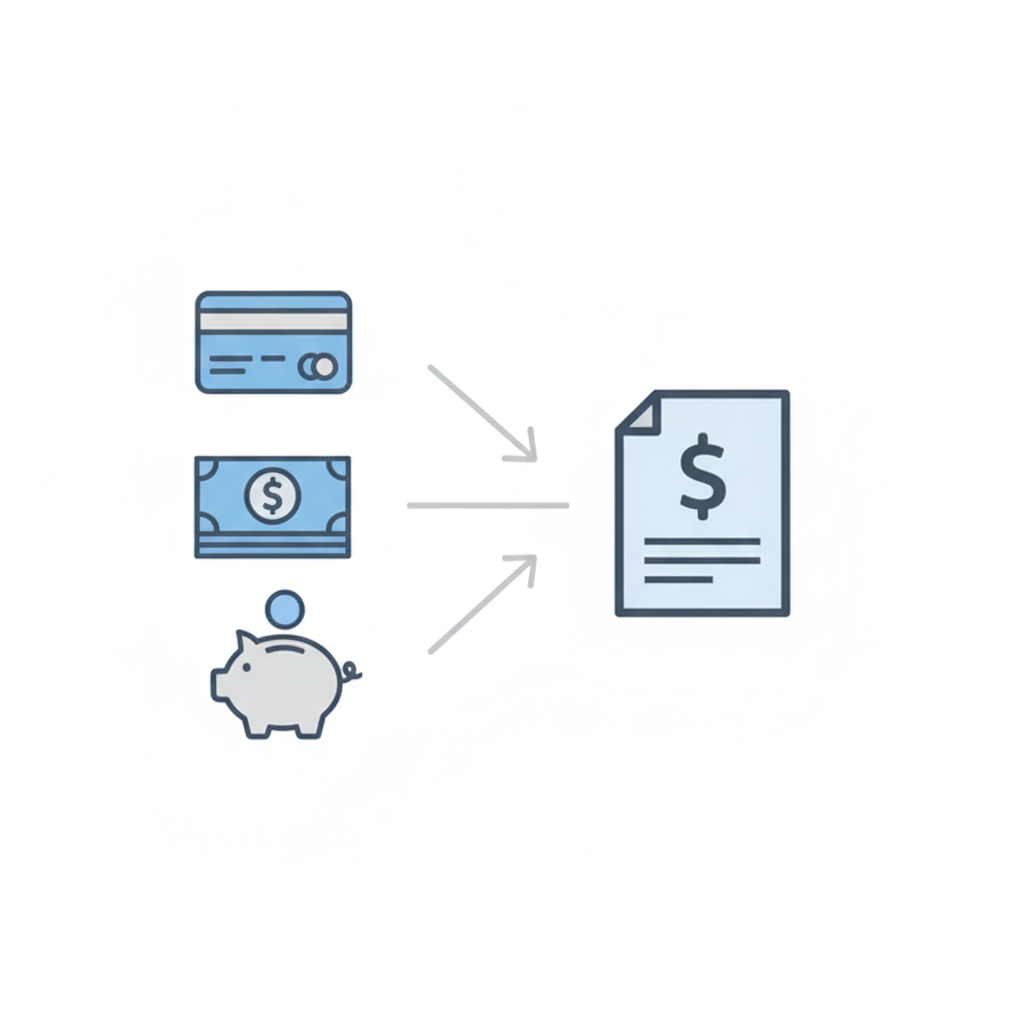
Debt consolidation is the process of combining multiple debts into one balance, typically through a loan or credit product that offers:
- A lower interest rate
- A single monthly payment
- A defined repayment timeline
It’s most commonly used to manage:
- High-interest credit card debt
- Store cards and revolving credit
- Multiple personal loans
Important Distinction
Debt consolidation does not reduce how much you owe.
It reduces interest costs and complexity, making repayment more manageable.
Financial regulators and consumer protection agencies generally describe debt consolidation as a repayment strategy — not a form of debt reduction — emphasizing that total balances typically remain unchanged.
How Debt Consolidation Works (Step by Step)
While products differ, the process is consistent:
- List all existing debts
Balances, interest rates, minimum payments, and due dates. - Choose a consolidation method
A personal loan, balance transfer card, or structured program. - Pay off old debts
Use the new credit to eliminate multiple balances at once. - Repay a single balance
One payment, one interest rate, one payoff schedule.
Debt consolidation works best when:
- The new interest rate is meaningfully lower
- Payments fit your cash flow
- Spending habits do not continue the debt cycle
Without behavioral change, consolidation fails.
Debt Consolidation Options
1. Debt Consolidation Loans
A consolidation loan is typically an unsecured personal loan used to pay off existing debt.
How it works
- Receive a lump sum
- Pay off credit cards or loans
- Repay the loan in fixed monthly instalments
Typical features
- Fixed repayment terms (2–7 years)
- Predictable monthly payments
- Lower APR than credit cards (with good credit)
Pros
- Simple budgeting
- Clear payoff timeline
- Often lower interest rates
Cons
- Good credit required for best rates
- Interest still applies
- Origination fees may apply
Best for:
People with stable income who want predictability and structure.
2. Balance Transfer Credit Cards
Balance transfer cards allow you to move existing credit card debt to a card offering a 0% introductory APR.
How it works
- Transfer balances from existing cards
- Pay no interest for a set period (12–21 months)
- Pay a transfer fee (usually 3–5%)
Pros
- Interest-free payoff window
- Extremely effective if debt is paid off on time
Cons
- High interest after promo period
- Requires strong credit
- Easy to fall back into debt
Best for:
People who can aggressively eliminate debt within the promo window.
Other Debt Consolidation Methods (Brief)
- HELOCs / Home Equity Loans
Lower rates, but your home is collateral. High risk — emergency use only. - Debt Management Plans (DMPs)
Structured repayment via credit counselors. Not true consolidation, but sometimes useful.
Debt Consolidation vs Other Debt Solutions
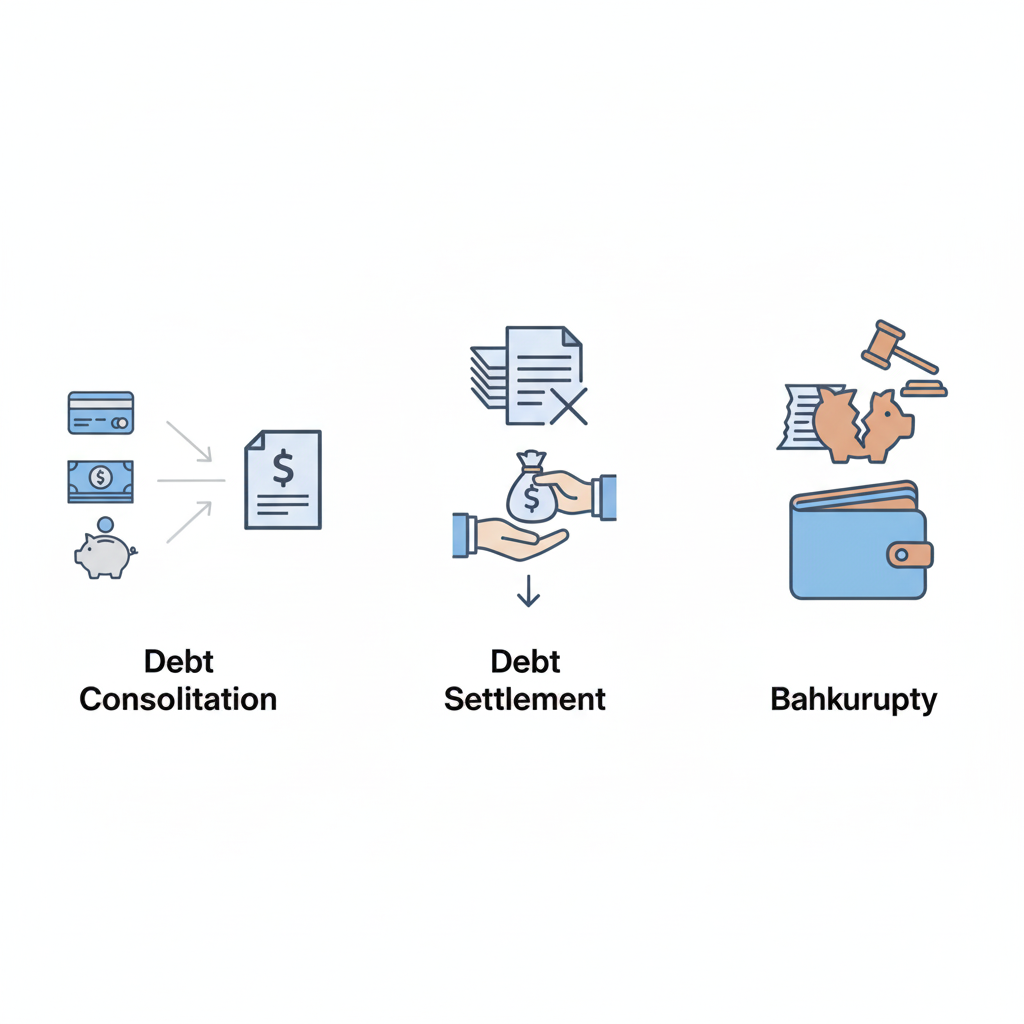
| Strategy | Reduces Balance | Impacts Credit | Risk Level |
|---|---|---|---|
| Consolidation | No | Low–Moderate | Low |
| Settlement | Yes | High | High |
| Bankruptcy | Yes | Severe | Very High |
Debt Consolidation vs Debt Settlement
- Consolidation: Pay full balance, reduce interest
- Settlement: Negotiate lower payoff, damages credit
Debt Consolidation vs Bankruptcy
- Consolidation: Preserves credit
- Bankruptcy: Major relief, long-term credit damage
Debt Consolidation vs Snowball / Avalanche
- Consolidation: Restructures debt
- Snowball/Avalanche: Requires strict discipline only
debt snowball and avalanche methods
Consolidation sits between aggressive settlement and destructive bankruptcy.
Does Debt Consolidation Hurt Your Credit?
Short answer: temporarily — sometimes.
Short-term impact
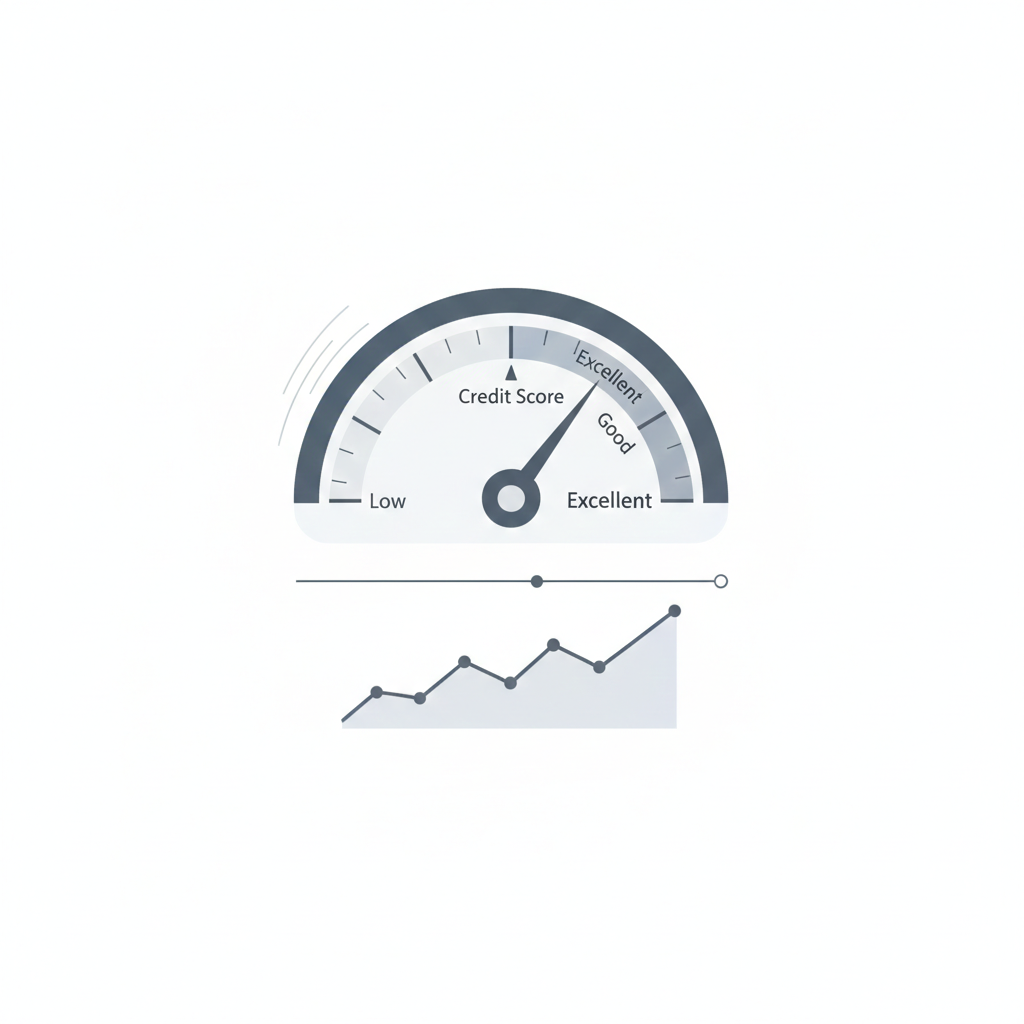
- Hard inquiry
- Average account age may drop
- Utilisation may shift temporarily
Long-term benefits
- Lower utilisation
- Fewer missed payments
- Improved payment consistency
When managed correctly, consolidation often improves credit over time.
According to consumer credit reporting practices, short-term credit impacts are common when opening new accounts, while long-term outcomes depend primarily on payment consistency and credit utilization.
When Debt Consolidation Makes Sense
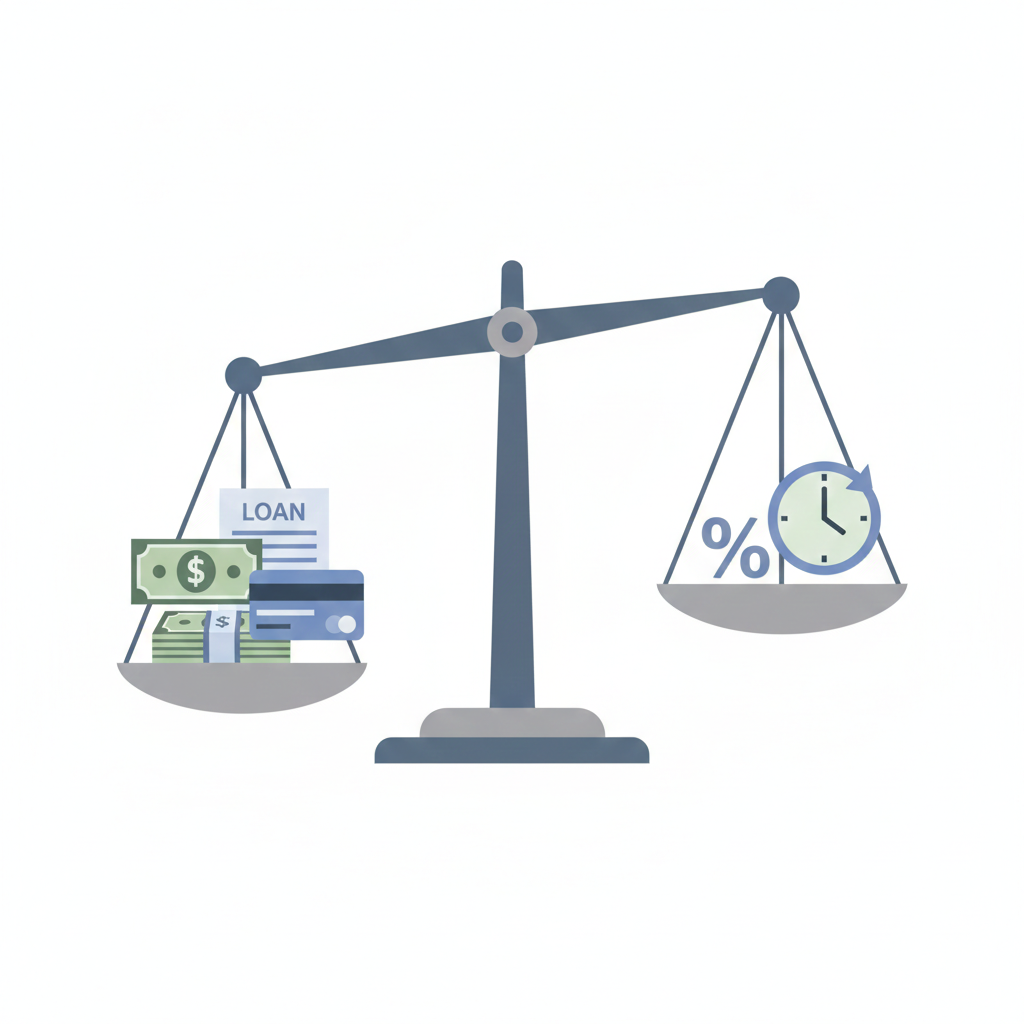
Debt consolidation is usually effective if:
- You’re carrying high-interest credit card debt
- Your income is stable
- You qualify for a lower APR
- You’re no longer adding new debt
In short: the problem is interest and structure, not behavior.
When Debt Consolidation Is a Bad Idea (7 Reasons)
Consolidation often fails when:
- Spending habits don’t change
- Credit score is extremely low
- Fees eliminate interest savings
- Monthly payments don’t decrease
- You keep old accounts open and reuse them
- You prioritise convenience over cost
- You’re already at risk of financial failure
If consolidation doesn’t reduce total cost, it’s pointless.
How to Choose the Right Debt Consolidation Option
Choose a consolidation loan if:
- You need fixed payments
- You want longer repayment terms
- Predictability matters
Choose a balance transfer card if:
- Debt can be paid off quickly
- You qualify for 0% APR
- You’re comfortable with tight deadlines
Key decision factors
- Credit score
- Total debt amount
- Monthly cash flow
- Risk tolerance
Debt Consolidation FAQs
Does debt consolidation make financial sense?
Yes — if it lowers interest and simplifies repayment without adding debt.
Can I consolidate debt with poor credit?
Options exist, but rates may be higher and savings limited.
How much can debt consolidation save?
Depends on APR reduction and payoff speed. Use calculators for estimates.
Are consolidation loans better than balance transfers?
Neither is universally better — timeline and credit strength decide.
Compare Debt Consolidation Options
If you’re considering debt consolidation, the next step is comparing real offers based on your credit profile.
- Pre-qualification tools (no credit damage)
- Consolidation loan rate comparisons
- Balance transfer cards with 0% intro APR
The right solution lowers interest, fits your timeline, and doesn’t restart the debt cycle.
Sources & Further Reading
– Federal Trade Commission (FTC) – Managing Debt
– Consumer Financial Protection Bureau (CFPB) – Debt Relief Options
– FDIC – Personal Loans and Credit
About the Editorial Team
This article was prepared by the [growcapitalpro.com] editorial finance team. Our content is researched using publicly available data from consumer protection agencies, financial regulators, and credit reporting standards. Articles are reviewed for accuracy, neutrality, and clarity to help readers better understand personal finance topics.
📖 Complete guide: Debt Consolidation: The Complete 2026 Guide
📖 Complete guide: Debt Management: The Complete 2026 Guide
Related: Debt Consolidation Loans The Ultimate Guide To Getting Out · Is Debt Consolidation A Good Idea A Guide For Professionals · Debt Consolidation Vs Settlement A Professional Guide