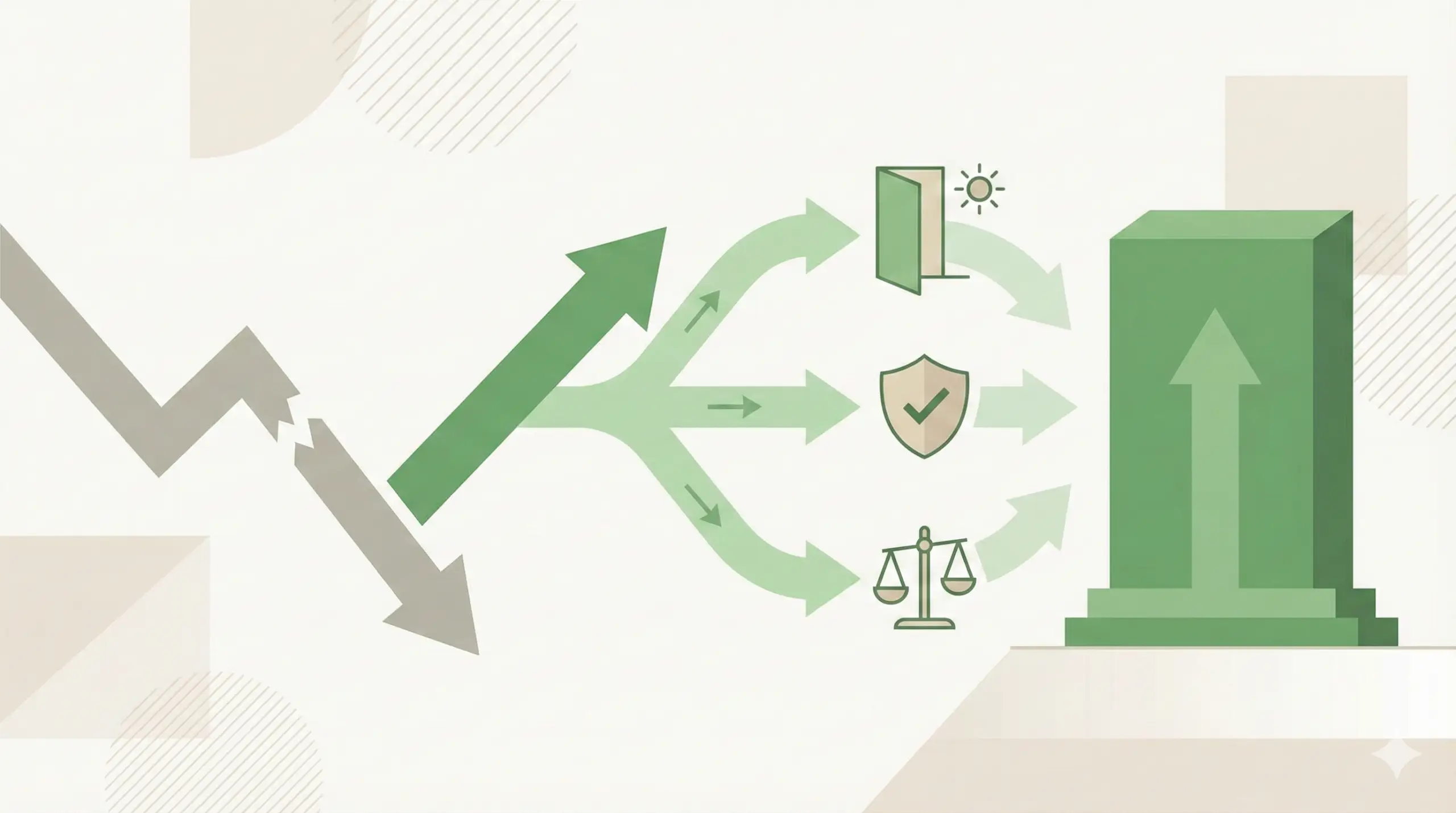
The real estate market often feels like a puzzle with pieces that change shape just as you’re about to fit them together. If you’ve been keeping an eye on the horizon, you’ve likely seen the buzz about home price appreciation 2026. For professionals—whether you’re an investor, a homeowner planning your next move, or someone just trying to stay financially sharp—the stakes feel higher than ever.
Predicting the market isn’t about having a crystal ball; it’s about understanding the fundamental drivers behind the numbers. Let’s pull back the curtain on how to interpret these shifts and, more importantly, how to position yourself to come out ahead.
Understanding the Landscape: What Drives 2026 Price Appreciation?
Before we dive into the “how-to,” let’s look at the “why.” Home price appreciation isn’t random. It’s the result of a delicate dance between supply, demand, and the broader economic climate.
By 2026, we’re looking at a market shaped by a few distinct factors:
- The Inventory Deficit: We aren’t just seeing a temporary dip in supply; we’re looking at a structural undersupply of housing that has been building for over a decade.
- Demographic Shifts: The massive millennial and Gen Z cohorts are hitting their peak earning and buying years. They need space, and they’re willing to pay for it.
- Interest Rate Stabilization: While the hyper-low rates of the pandemic era are likely behind us, the market is finding a “new normal.” Buyers are adjusting their expectations, and sellers are finally starting to test the waters again.
How to Prepare for Home Price Appreciation 2026: A Step-by-Step Approach
You don’t need a degree in economics to navigate this, but you do need a plan. Here is how you can approach the market as we head toward 2026.
Step 1: Assess Your Current Real Estate Position
Are you currently holding property, or are you looking to enter the market? This is the most crucial question. If you’re a homeowner, your strategy should focus on equity optimization. If you’re an investor, you need to look at cash flow vs. appreciation potential.
Step 2: Analyze Regional Micro-Markets
Ehrlich gesagt, national headlines can be incredibly misleading. A 5% appreciation rate might be the average, but your specific zip code could be seeing a 10% jump or a stagnation. Look at local permits, new commercial developments, and school district performance. That’s where the real insight lives.
Step 3: Stress-Test Your Financials
We’ve all seen the headlines about rising costs. When considering an investment or a home purchase, don’t just calculate your mortgage based on today’s rate. Model a 2026 scenario where maintenance costs and taxes might have shifted. Exactly this type of rigorous preparation separates the professionals from the casual observers.
Step 4: Monitor the “Affordability Gap”
This is the hidden metric. If home prices rise faster than local wage growth for too long, the market eventually hits a “cooling” point. Keep an eye on the median income vs. median home price in your target area. It’s a simple ratio, but it tells a massive story about how much runway your investment has left.
Common Pitfalls to Avoid: Don’t Get Caught in the Trap
Even seasoned professionals fall into these traps. Learn from them so you don’t have to experience the headache yourself.
1. Trying to Time the “Bottom”
You know the feeling—waiting for that perfect, lowest-price point to jump in. The truth? It rarely works. Trying to time the market is a fool’s errand. Instead, focus on “time in the market.” If the fundamentals of the property are solid, the short-term noise of 2026 won’t matter as much as the long-term trend.
2. Ignoring Utility Costs and Hidden Upkeep
We often get so caught up in the “appreciation” figure that we forget the “cost of ownership.” As homes age and environmental standards change, energy efficiency is becoming a major price driver. A home that costs a fortune to heat or cool will eventually see its appreciation plateau compared to greener, more efficient counterparts.
3. Relying Solely on Zestimates
Online valuation tools are great for a quick pulse check, but they are notorious for missing local nuances. A specialized home office, a unique architectural feature, or a specific neighborhood vibe isn’t captured by an algorithm. Relying only on digital tools is like trying to drive by looking only at your GPS—eventually, you’ll miss a massive pothole in the road.
The Role of Sentiment in 2026
Psychology plays a huge role in real estate. As we approach 2026, keep a pulse on local sentiment. Are people optimistic about the local economy? Are businesses expanding? When the “vibe” of a neighborhood shifts toward growth, property values usually follow shortly after. It’s not just data; it’s human behavior.
How Professionals Structure Their Portfolios for 2026
If you’re looking to make serious moves, diversification is your best friend. Don’t put all your eggs in the “single-family residential” basket. Consider the following:
- Multi-Family Units: The demand for rental space is only growing as housing prices make ownership difficult for many.
- The “Work-from-Home” Factor: Properties with designated home office spaces or ADUs (Accessory Dwelling Units) are commanding premiums that aren’t disappearing anytime soon.
- Emerging Markets: Keep an eye on secondary cities. People are moving out of the major, hyper-expensive hubs into growing, mid-sized cities that offer a better quality of life. That’s where the 2026 appreciation “sweet spot” often hides.
The Reality of Debt Management
Let’s talk about debt for a second. We’re in an era where the cost of borrowing matters more than ever. When planning for 2026, ensure your debt-to-income ratio is in a comfortable range. If you’re over-leveraged, a slight market correction could turn a good investment into a significant burden. Keep your leverage conservative—you’ll sleep much better at night, and you’ll have the liquidity to strike if a great deal pops up.
Final Thoughts: Staying Ahead of the Curve
The conversation around home price appreciation 2026 is often dominated by fear or hype. But for the informed professional, it’s just another variable to manage. By staying grounded in local data, avoiding the trap of trying to perfectly time the market, and focusing on long-term value, you can navigate these years with confidence.
Remember, the goal isn’t to be perfect; it’s to be prepared. Take your time, do your research, and look beyond the surface-level numbers. The opportunities are there for those who are willing to do the legwork.