We’ve all been there—the nagging feeling of tracking multiple credit card due dates, each with a different interest rate, and watching your hard-earned salary disappear into a sea of minimum payments. If you are a professional, you likely value efficiency and strategy in every other area of your life. Why should your personal finances be any different?
Debt consolidation isn’t just about moving numbers around; it’s about reclaiming your financial headspace. By using a personal loan to consolidate your debt, you can transform a chaotic collection of high-interest balances into one manageable, fixed monthly payment. Let’s walk through the exact steps to do this right, avoiding the common traps that keep most people stuck.
Why Consolidate? (The Logic Behind the Move)
Before we get into the “how,” let’s talk about the “why.” Carrying debt across several credit cards or high-interest lines of credit is like trying to fill a bucket with holes in it. You’re paying, but that high Annual Percentage Rate (APR) is working against you every single day.
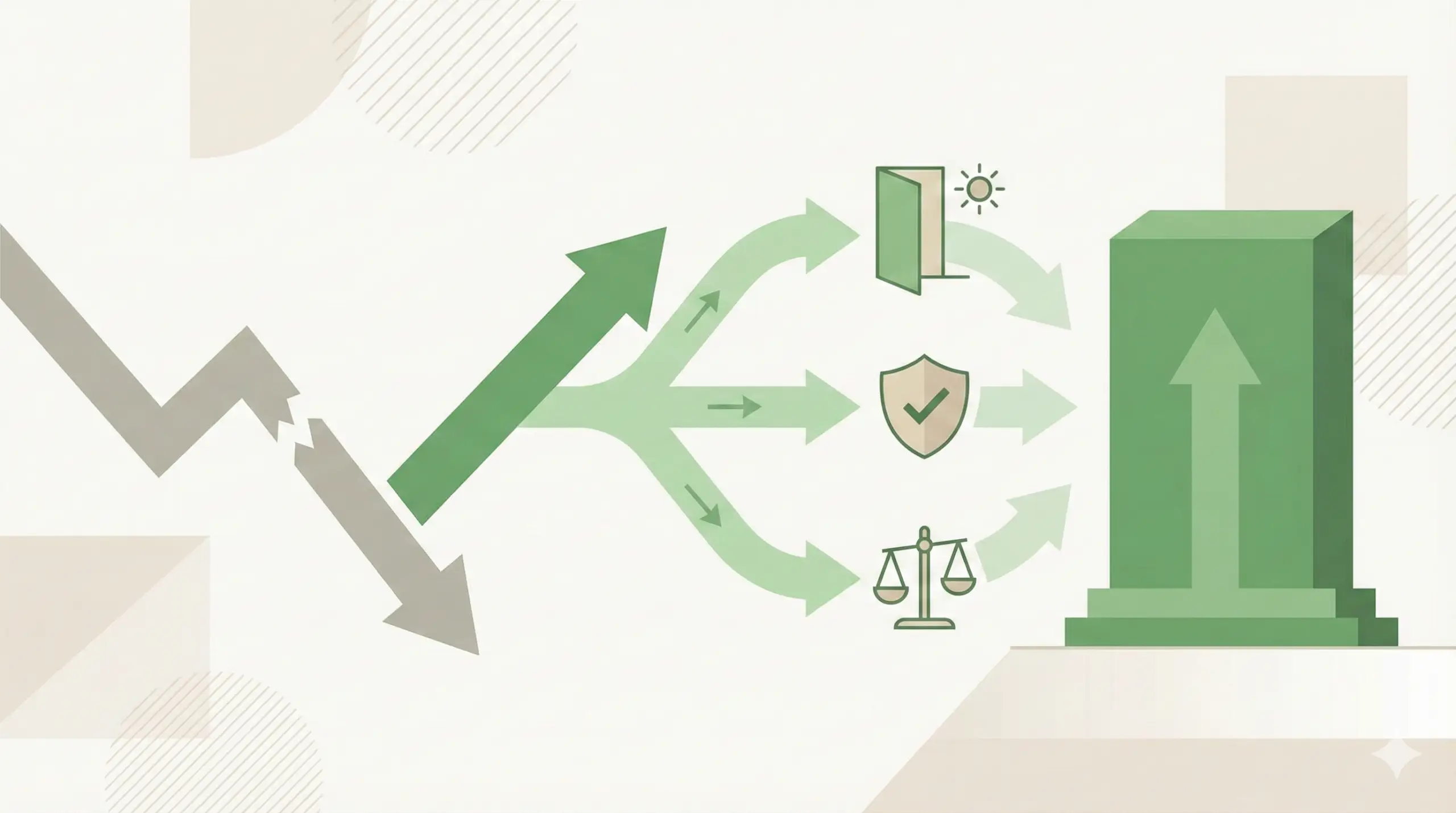
When you secure a personal loan for debt consolidation, you are essentially hitting the “reset” button. You take out one loan with a lower interest rate, pay off your high-interest debts in full, and are left with a single, predictable installment. It simplifies your budget, lowers your total interest costs, and—perhaps most importantly—gives you a clear finish line.
Step 1: The Full Audit (Know Your Numbers)
Most people dread this step, but honesty is the best policy here. You cannot solve a problem you haven’t fully mapped out. Grab a coffee, open your banking apps, and create a “Debt Inventory.”
What to include:
- Total Outstanding Balance: Add up every cent you owe.
- Interest Rates (APR): This is the most critical factor.
- Minimum Monthly Payments: What are you currently forced to pay every month?
Pro Tip: Create a simple spreadsheet. Seeing the numbers written down in black and white can be a bit confronting, but honestly, it’s the most liberating thing you can do. Once it’s mapped out, the monster looks a lot smaller than it did in your head.
Step 2: Check Your Credit Health
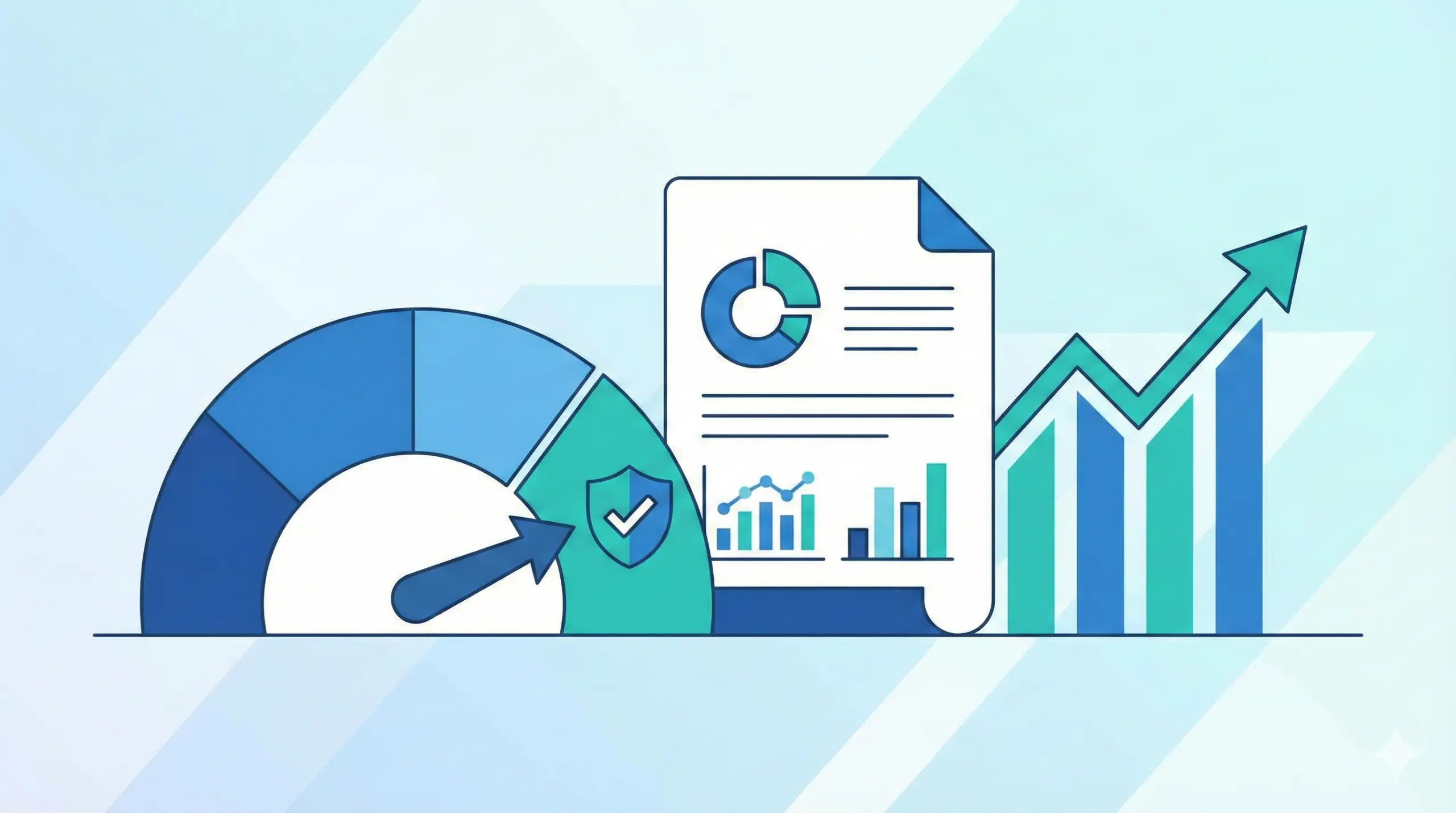
Before you start applying for loans, you need to know how you look to potential lenders. Your credit score is essentially your “financial resume.” A strong score doesn’t just get you approved; it gets you the low interest rates that make consolidation worth your while.
Check your report for errors. Sometimes, old accounts that should be closed or inaccurate balance info can drag you down. Dispute anything that looks off. Even a 20-point jump in your score can save you thousands in interest over the life of a loan.
Step 3: Choose the Right Loan Product
Not all personal loans are created equal. You’re looking for a loan that offers:
- A Fixed Interest Rate: You want to know exactly what your payment will be two years from now. Avoid variable rates if you want peace of mind.
- No Origination Fees: Some lenders sneak in a 5% fee right off the top. If you’re borrowing $20,000, that’s $1,000 gone before you even touch the money. Keep an eye out for that.
- No Prepayment Penalties: You want the freedom to pay off the loan early if you get a bonus or a raise, without being punished for it.
Step 4: Shop Around (The “Three-Lender” Rule)
Never take the first offer you see. Seriously, don’t do it. Banks and online lenders have different algorithms and target demographics.
Apply for pre-qualification with at least three different lenders. Most reputable platforms allow you to do this with a “soft credit pull,” which means it won’t hurt your credit score. Compare the APR, not just the monthly payment. The APR gives you the real picture of what the loan actually costs.
Step 5: Execute the Payoff
Once your loan is funded, don’t just let the money sit in your checking account. This is the moment most people stumble—you have the cash, it’s tempting to treat yourself. Don’t.
Use those funds immediately to pay off the high-interest debt you identified in Step 1. Close the accounts if you’re worried about the temptation to rack them up again, or at least cut up the physical cards. The goal is to be out of debt, not just moving it from one place to another.
Common Pitfalls to Avoid
Even with the best intentions, it’s easy to trip up. Here are the traps I see professionals fall into time and again:
1. The “Empty Credit Card” Trap
The biggest mistake? Clearing your credit card balances and then immediately using them again for non-essentials. You now have the new loan payment plus the new credit card charges. That is a recipe for a downward spiral. If you consolidate, commit to a strict “debit-only” or “cash-only” diet for your credit cards until the loan is paid off.
2. Ignoring the Total Cost
Sometimes people look at a lower monthly payment and jump at it, failing to realize they’ve extended their repayment period from two years to five. You might have a lower monthly bill, but if you end up paying significantly more in total interest over those five years, you haven’t actually saved money. Always calculate the “Total Repayment Amount.”
3. Taking a Loan Too Small
Be realistic about your total debt. If you take out a loan for $10,000 to cover $12,000 worth of debt, you’ve still got $2,000 sitting on a high-interest credit card. Make sure the loan covers the entire amount of the high-interest debt you want to eliminate.
The Psychological Shift
Debt consolidation is a tactical move, but it has a massive psychological component. When you move from “chasing” five different payments to “investing” in one single path to freedom, the stress levels drop. You start to see a future where that money—the hundreds of dollars you were throwing away in interest—stays in your pocket.
Maybe you’ll use that extra cash to build an emergency fund, start investing, or finally take that trip you’ve been putting off. That’s the real goal of consolidation: not just clearing the slate, but building the foundation for the life you actually want to lead.
Final Thoughts: Stay the Course
Consolidating debt is a smart move, provided you treat it as a tool for change, not an excuse to continue old habits. If you follow these steps—audit your debts, protect your credit, shop for the best rates, and resist the temptation to reload your credit cards—you’ll be well on your way to becoming debt-free.
You’re a professional. You’ve navigated complex projects and tight deadlines in your career. You have the skills to manage this. Treat your finances with that same level of care and precision, and I promise, the reward is well worth the effort.