Buying a home is a milestone, but let’s be honest: in 2026, the real estate landscape feels like a puzzle that changes pieces every time you blink. You’re a professional—you value efficiency, you’ve got a busy schedule, and you don’t have time for fluff. You want a townhome that offers the perfect balance between urban accessibility and long-term value, but the financing part? That’s where things get tricky.
If you’re tired of the “cookie-cutter” advice floating around the internet, you’re in the right place. We’re going to break down how to secure affordable townhome financing in 2026 without losing your peace of mind.
Why Townhomes Still Lead the Pack for Professionals
Before we dive into the numbers, let’s address the “why.” Townhomes are the sweet spot for the modern professional. They offer the footprint of a detached home but often come with lower maintenance overheads and shared amenities. In 2026, as inventory remains tight in major hubs, townhomes represent a strategic entry point into the market. But because they are a hybrid between condos and single-family homes, they require a nuanced approach to financing.
Step 1: The “Financial Housekeeping” Phase
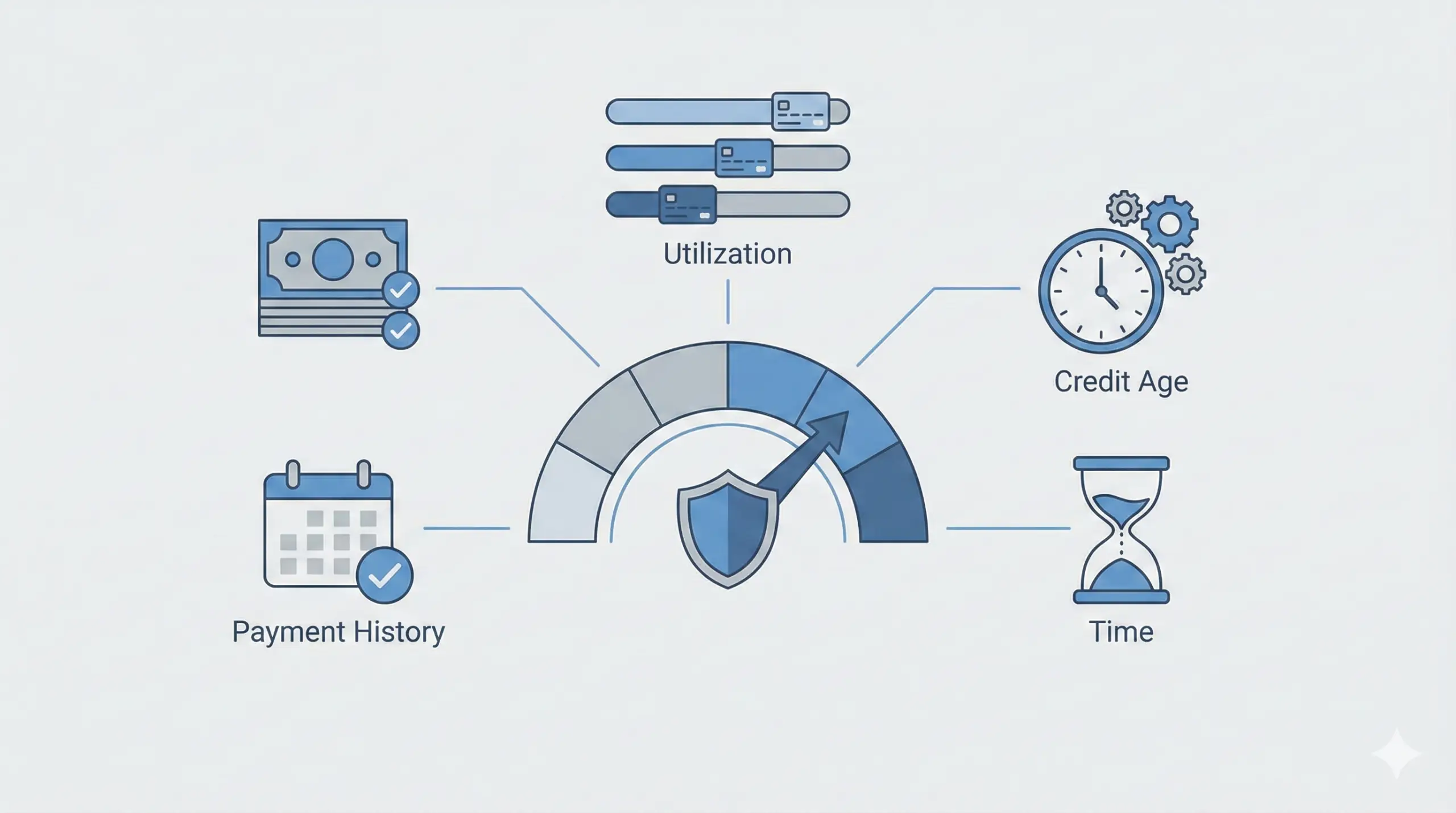
Before you even glance at a listing, you need to prepare your file. Lenders today aren’t just looking at your credit score; they are looking at the stability of your narrative.
- Audit Your Debt-to-Income (DTI) Ratio: Aim for that golden 36% threshold. If you’re sitting higher, consider paying off small, high-interest revolving balances. It’s not just about the score; it’s about the breathing room in your budget.
- The “Paper Trail” Discipline: Start organizing your digital files. Three months of bank statements, pay stubs, and tax returns. Do it now. You don’t want to be scrambling for a W-2 at 10 PM while you’re trying to close on a unit that might have three other offers.
- The HOA Factor: This is the hidden trap. Unlike a detached home, a townhome comes with a Homeowners Association. Your lender will factor the HOA fee into your DTI. If the monthly HOA fee is high, your buying power drops. Always ask for the current HOA budget and reserve study—it tells you if a surprise assessment fee is lurking around the corner.
Step 2: Choosing the Right Financing Structure in 2026
The interest rate environment in 2026 is complex. Gone are the days of “one-size-fits-all” fixed mortgages. Depending on your career trajectory, here are your best bets:
Conventional 97 Loans
If you’re a first-time buyer or it’s been a while since you’ve owned a property, the Conventional 97 program is a gift. It allows for a down payment as low as 3%. Yes, you’ll pay Private Mortgage Insurance (PMI), but you can often cancel that once your equity hits 20%. It’s a great way to keep your liquid cash available for renovations or investments.
ARM (Adjustable-Rate Mortgages) – Still an Option?
Ehrlich gesagt, ARMs get a bad rap. If you know you aren’t staying in this townhome for more than 5–7 years, an ARM might offer a lower introductory rate than a standard 30-year fixed. Use the savings to pay down the principal early. It’s a tactical move, not a forever play.
The “Doctor” or “Professional” Loan
If you are in a high-earning field—medicine, law, engineering—look for specialized professional mortgage programs. These often require lower down payments and don’t charge PMI, even with less than 20% down. Banks know your earning potential is high, and they’re willing to bet on it.
Step 3: Shopping for Rates Like a Pro
Don’t just take the quote from your primary bank. That’s a common mistake that costs people thousands over the life of the loan.
- The “Rule of Three”: Get quotes from a big bank, a local credit union, and an online mortgage lender. Compare the APR, not just the interest rate. The APR reflects the fees, points, and costs, giving you the true cost of borrowing.
- Rate Locks: In a volatile 2026 market, once you have an offer accepted, lock that rate. Don’t try to time the market—you’ll drive yourself crazy, and more often than not, the market will humble you.
Step 4: The Closing Strategy
The closing process is where deals often stall. To keep things moving, be proactive.
- Request the Condo Questionnaire early: Since townhomes are often treated as condos by lenders, they need a specific questionnaire filled out by the HOA management. This can take weeks. Get this done as soon as you are under contract.
- Appraisal Contingency: Ensure your offer includes an appraisal gap clause if you’re in a hot market. It’s a bit of a gamble, but it shows the seller you’re serious and have the liquid capital to back up your offer.
Pitfalls to Avoid: The “I Wish I Knew That” Section
We’ve all seen it: the buyer who gets the keys and realizes they’re house-poor. Here is how to avoid that:
- Ignoring the Reserve Fund: If the HOA has no reserve fund, they will eventually hit you with a “special assessment.” Imagine waking up to a $10,000 bill because the roof needs replacing and the association is broke. Check the reserves. Always.
- Underestimating Closing Costs: People focus on the down payment and forget the closing costs—which can range from 2% to 5% of the purchase price. Have this cash on hand outside of your down payment.
- The “DIY” Mortgage Process: You’re a professional—you know the value of an expert. Don’t try to navigate the underwriting maze alone. Hire a mortgage broker who specializes in townhome financing. They know which lenders are currently “friendly” to townhome inventory and which ones have strict condo-project restrictions.
Frequently Asked Questions (FAQ)
Q: Can I use a gift for my down payment? A: Yes, but keep it clean. Lenders require a “gift letter” and proof of the transfer. Don’t deposit large, unexplained cash amounts into your account; that’s a red flag for underwriting.
Q: Is it better to put 20% down to avoid PMI? A: Not always. If that 20% wipes out your emergency fund, it’s not worth it. Keep your liquidity. You can pay down the mortgage later to get rid of PMI.
Q: How do HOA fees affect my financing? A: Your lender treats the HOA fee like a debt payment. If your HOA fee is $500, it effectively lowers the amount you can borrow for the mortgage itself. Factor this in before you start shopping.
Final Thoughts: The Path Forward
Financing a townhome in 2026 doesn’t have to be a source of stress. It’s about preparation, understanding the specific mechanics of townhome ownership (yes, those HOAs matter!), and choosing the right loan product for your unique career situation.
You aren’t just buying a place to sleep; you’re acquiring an asset. Treat it like a business move—calculate the risks, leverage the right tools, and keep your financial documentation pristine. You’ve got the vision; now you have the roadmap to get there. Go get those keys.