Securing a mortgage is arguably one of the most significant financial milestones in a professional’s life. You’ve spent years building your career, balancing your portfolio, and planning for the future—so why should the mortgage process be anything less than efficient?
If you are currently weighing the pros and cons of online mortgage lenders versus traditional banks, you’re not alone. The landscape has shifted dramatically over the past decade. It’s no longer just about who has the nicer branch office; it’s about who offers the best integration into your busy lifestyle. Let’s break down exactly how to navigate this decision so you can secure your financing without the usual headache.
Understanding the Landscape: The Core Difference
At its heart, the choice between an online lender and a traditional bank boils down to the “High-Touch vs. High-Tech” debate.
Traditional banks (your brick-and-mortar institutions) operate on long-standing relationships. When you walk into a branch, you’re paying for the infrastructure, the physical security, and the comfort of shaking hands with a loan officer. It feels grounded, safe, and—for some—indispensable.
Online lenders, on the other hand, are the disruptors. They’ve stripped away the overhead costs associated with physical branches and reinvested that budget into streamlined technology. They treat a mortgage application more like a sophisticated software workflow. Honestly, for a tech-savvy professional, this can feel like the difference between a legacy desktop application and a sleek, cloud-based platform.
Step 1: Assess Your Priorities – The Needs Analysis
Before you even look at an interest rate, you need to define your “deal-breakers.” Sit down with your partner or your financial planner and ask these three questions:
- Do I value physical presence? If you are the type of person who needs to sit across a desk to feel confident about a signature, an online-only experience might leave you feeling slightly anxious.
- Is my financial profile complex? If you are a W-2 earner with a straightforward history, digital lenders are incredibly efficient. If, however, you have a non-traditional income stream, business assets, or complex tax returns, a local bank officer who can advocate for you to an underwriter might be worth their weight in gold.
- What is my timeline? If you’re looking to close fast—perhaps to outmaneuver other bidders in a hot market—online lenders often have a significant speed advantage.
Step 2: Evaluating Traditional Banks (The Case for the Relationship)
There’s a reason people still flock to traditional banks. Let’s be real: when you’re dealing with half a million dollars or more, sometimes you just want a human being who is accountable to your specific account.
Why Choose a Traditional Bank?
- The Power of the Relationship: If you’ve banked with a specific institution for a decade, they already have your data. You might qualify for relationship-based discounts on your interest rate simply because you have your checking and savings accounts parked there.
- Accountability: If things go sideways during the closing process, having a physical address you can visit carries a certain weight. You aren’t just a ticket number in a support queue.
- Local Market Expertise: Traditional bank loan officers often know the local real estate ecosystem intimately. They know the appraisers, the local quirks of the market, and the nuances of the property you’re eyeing.
Potential Pitfalls
- Slower Processes: Due to legacy software and internal bureaucracy, traditional banks can sometimes feel like they’re moving through molasses.
- Limited Hours: You’re often confined to the 9-to-5 window. If you’re finalizing your offer on a Sunday evening, you’re likely on your own.
Step 3: Evaluating Online Mortgage Lenders (The Case for Efficiency)
Online lenders—or “fintech” mortgage platforms—have built their business models on user experience. They’ve realized that professionals don’t have time for paper-trail scavenger hunts.
Why Choose an Online Lender?
- Speed and Automation: You can often upload your documents, link your bank accounts, and get a pre-approval letter in a fraction of the time it takes at a bank. For those of us who value efficiency, this is a game-changer.
- Transparency: Many digital platforms offer real-time tracking. You can see exactly which stage your file is in—underwriting, appraisal, or final approval. It’s like tracking a high-end delivery; it gives you a sense of control.
- Competitive Rates: Because they don’t have to pay for expensive storefronts in prime real estate locations, online lenders often pass those savings on to the borrower in the form of lower fees or slightly better rates.
Potential Pitfalls
- The “Cold” Experience: If a technical glitch happens, or if your application requires a nuanced explanation, automated systems can be frustratingly rigid. You might find yourself repeating your story to three different call-center agents.
- Data Security Concerns: While most major players are secure, the sheer amount of sensitive data you are inputting into a web portal can feel daunting. Always ensure they use bank-grade encryption.
Step 4: Comparing the “Hidden” Costs
Don’t be fooled by the advertised Annual Percentage Rate (APR). Both online lenders and traditional banks are required to show you the “Loan Estimate.”
Pro-tip: Look specifically at Section A (Origination Charges) and Section B (Services You Cannot Shop For). This is where the real comparison happens. Sometimes an online lender has a lower interest rate but higher “administrative fees,” which negates the benefit. Don’t let a glossy website interface distract you from the bottom-line numbers.
Step 5: The “Trial Run” – How to Effectively Compare
If you’re still on the fence, do this: Apply to both.
There is no rule saying you can’t get a pre-approval from your long-time bank and a pre-approval from a reputable online lender simultaneously.
- Request a Loan Estimate (LE) from both.
- Compare them side-by-side. Look at the “Cash to Close” amount.
- Use them as leverage. It’s perfectly acceptable to go back to your traditional bank and say, “I’d love to work with you, but I have this offer from an online firm that is offering lower closing costs. Can you match it?”
You’d be surprised how much “flexibility” suddenly appears when a bank realizes they are in a competitive bidding war for your business.
Common Pitfalls to Avoid (Don’t Make These Mistakes)
- Ignoring the “Rate Lock” Policy: In a volatile interest rate environment, clarify how the rate lock works. Does it cost extra? How long is it guaranteed? Some online lenders have automated processes here that are much clearer than traditional bank policies.
- The “Pre-Qualification” vs. “Pre-Approval” Trap: A pre-qualification is just a conversation. A pre-approval means they’ve actually verified your documents. Don’t waste your time house-hunting with a flimsy pre-qualification; it holds no weight with sellers.
- Changing Your Financial Profile: This is a classic mistake. Regardless of who you choose, do not open new credit cards, buy furniture on store credit, or shift large sums of money around during the underwriting process. It flags your file and slows down the closing process—regardless of whether your lender is digital or traditional.
Final Verdict: Which Path is Right for You?
If you are a professional who values time above all else and likes to manage your life via your smartphone, an online lender is likely your best bet. The integration, speed, and transparency are simply hard to beat.
However, if your financial life is complex—think stock options, multiple business entities, or international income—or if you simply value having a dedicated person to call when things get stressful, stick with a traditional bank or a mortgage broker who can act as your personal project manager.
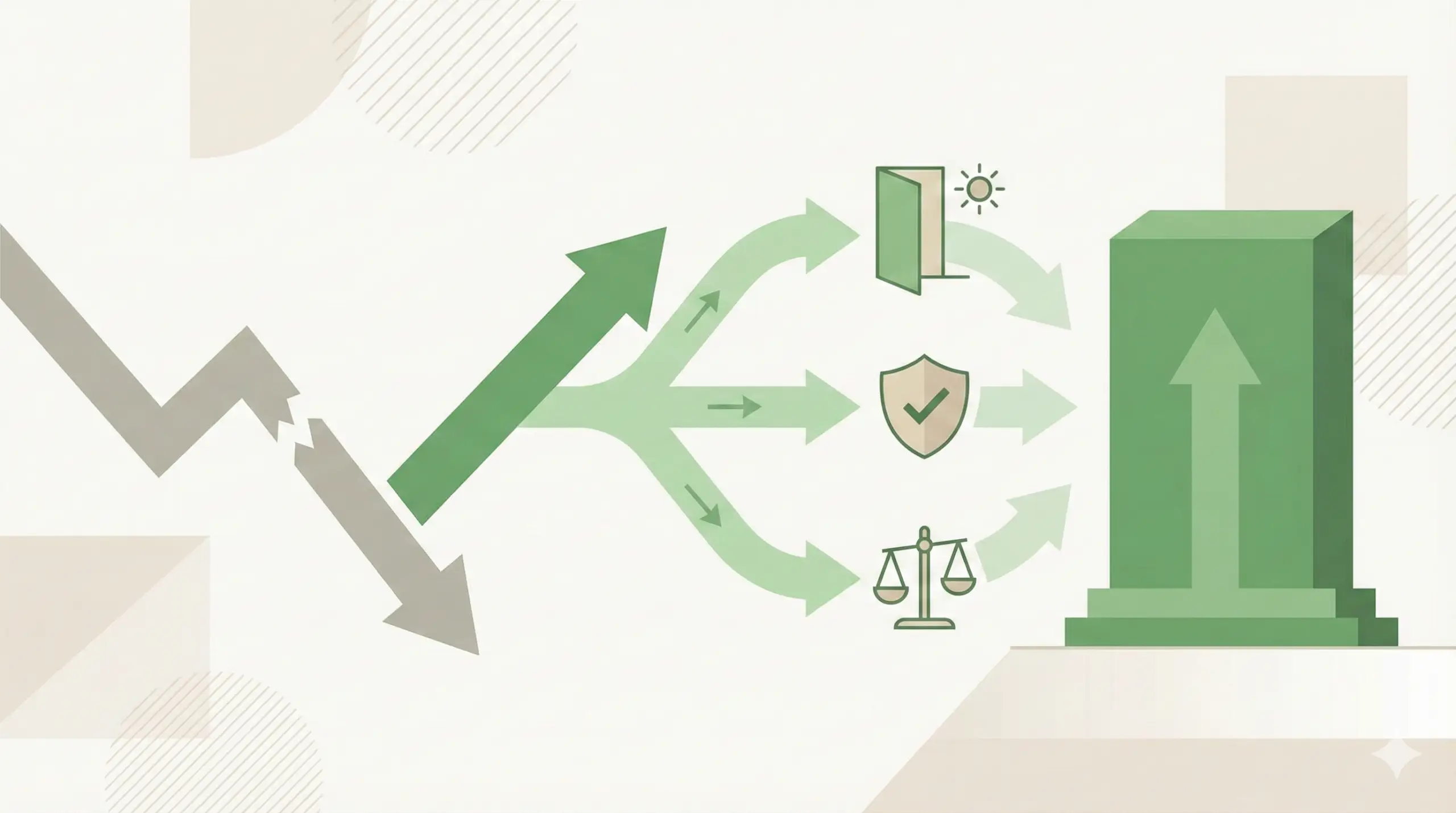
At the end of the day, both paths lead to the same destination: the keys to your property. The question is simply how much “friction” you’re willing to accept along the way. Take your time, get those Loan Estimates, and don’t be afraid to make them work for your business. After all, you’ve earned it.