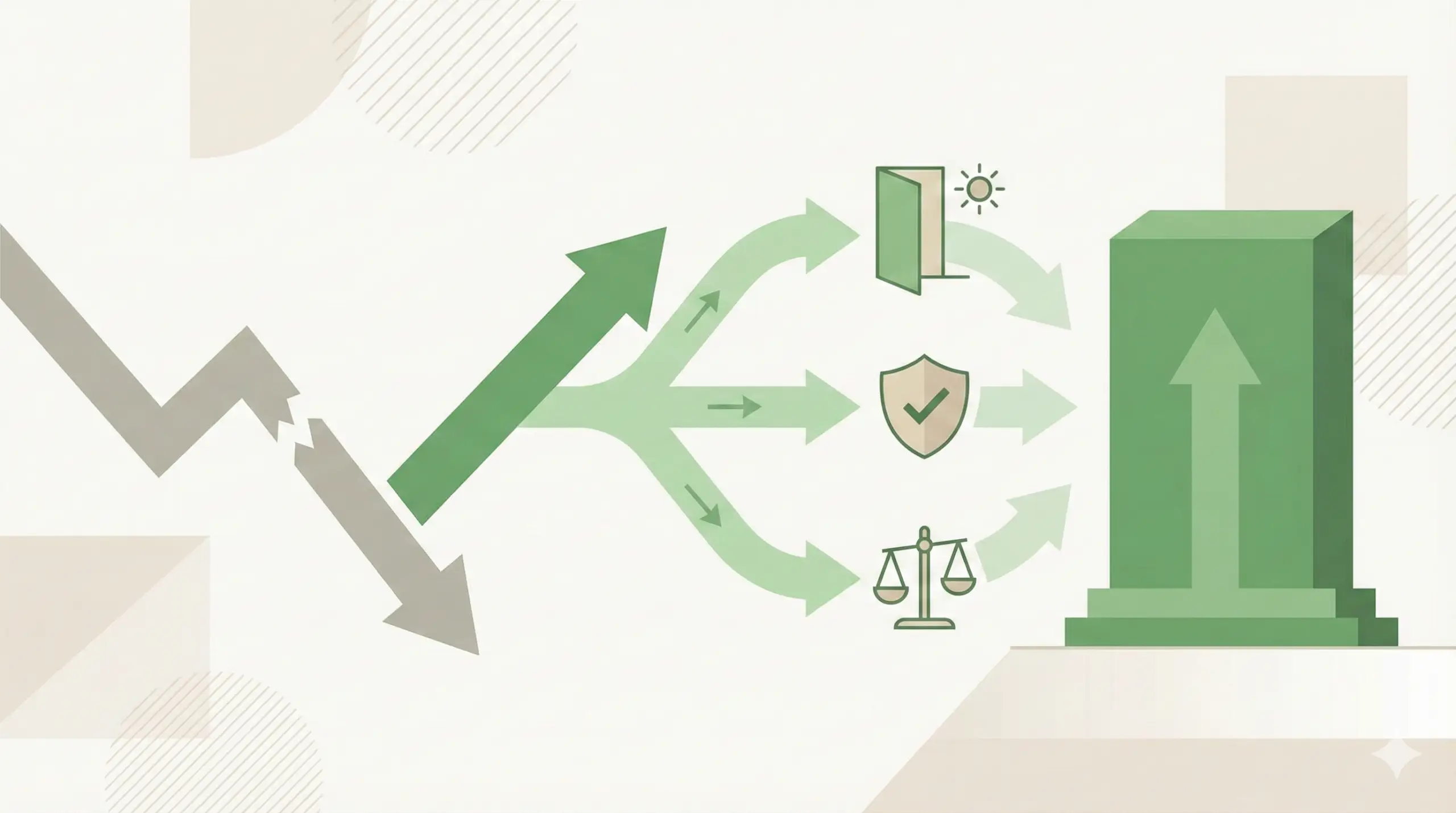
The housing market in 2026 is, to put it mildly, a complex puzzle. If you are working with clients—or looking to secure financing yourself—you know that the “one-size-fits-all” mortgage approach is officially a relic of the past. Today, the real value for homebuyers lies in the granular details of state-specific mortgage programs.
Navigating these programs isn’t just about reading a website; it’s about understanding the synergy between federal guidelines and state-level incentives. Whether you’re a real estate agent, a financial advisor, or a savvy homebuyer, this guide will help you decode the landscape of state-specific mortgage programs in 2026.
Why State-Specific Mortgage Programs Matter More Than Ever
Let’s be honest: interest rates are only half the battle. For many, the hurdle isn’t the monthly payment—it’s the upfront cost. Down payments and closing costs are the “great inhibitors” of homeownership.
State Housing Finance Agencies (HFAs) have recognized this, and in 2026, we are seeing a significant pivot toward hyper-localized support. These programs aren’t just for first-time buyers anymore. Some states are rolling out incentives for public servants, teachers, and even those moving into revitalized urban corridors. If you aren’t tapping into these, you’re essentially leaving equity on the table.
Step 1: Identify Your State’s Housing Finance Agency (HFA)
The first step in your journey is finding your HFA. Every state has an official body that manages these funds. While it sounds simple, this is where most people get tripped up.
- Don’t rely on third-party aggregators alone: While sites like Zillow or NerdWallet are great for broad overviews, they often lag behind the live updates of state websites.
- The Pro-Move: Go directly to the source. Search for “[Your State] Housing Finance Agency.” Bookmark that page. In 2026, these agencies have improved their user interfaces significantly, often providing “Program Eligibility Calculators” that take less than two minutes to complete.
Step 2: Categorize the Available Aid
Not all assistance is created equal. When you’re digging through program descriptions, you’ll generally find three “buckets” of aid. Knowing which one you’re looking at is key to keeping your strategy clear.
1. Down Payment Assistance (DPA)
This is usually a second mortgage or a grant. Some states offer “forgivable” loans—meaning if you stay in the home for a certain number of years, the debt evaporates.
2. Mortgage Credit Certificates (MCCs)
These are perhaps the most underrated tool in the shed. An MCC allows you to claim a portion of your mortgage interest as a direct tax credit. It’s not a deduction; it’s a dollar-for-dollar reduction of your tax liability. It’s exactly the kind of nuance that makes a financial advisor’s life easier.
3. Interest Rate Buydowns
Some states partner with private lenders to provide subsidized interest rates. If you can shave even 0.5% off your rate through a state program, you’re talking about thousands of dollars in savings over the life of the loan.
Step 3: Assessing Eligibility – The “Invisible” Criteria
You’ve likely seen the checkboxes: credit score, income limits, and purchase price caps. But there’s a human element to eligibility that the brochures don’t always highlight.
- Geographic Targeting: Many 2026 programs are tied to specific zip codes or “Targeted Areas.” If your client is flexible on location, choosing a home just two blocks over into a state-designated “revitalization zone” could suddenly make them eligible for $15,000 in assistance.
- The “First-Time Homebuyer” Definition: Did you know that in many states, you count as a “first-time buyer” if you haven’t owned a home in the last three years? If you’ve been renting for a while, don’t assume you’re ineligible just because you owned a condo back in 2020. Always check the specific look-back period.
Step 4: The Application Process – How to Stay Ahead
Working through a state program requires a specific type of paperwork rhythm. It’s not just about getting the bank to say “yes.”
- Find a Participating Lender: This is the most crucial step. Not every loan officer is “HFA-certified.” You need someone who has processed these specific state applications before. If your loan officer sounds confused when you mention the state’s DPA program, find another one. Seriously. The delay caused by an inexperienced processor can cost you the house.
- Get the Pre-Approval in Tandem: Don’t wait until you’re under contract to start the state program paperwork. Many of these funds are “first-come, first-served.” You want your application to be ready the moment your offer is accepted.
- The “Homebuyer Education” Requirement: Most states require a short online course. It sounds like a nuisance, but honestly? It’s often where people learn the most valuable tips about property taxes and maintenance. Just get it done early.
Common Pitfalls: Where Things Go Wrong
We’ve all seen it happen. A deal falls apart at the 11th hour because of a small, avoidable oversight. Let’s look at the “Danger Zones”:
The “Over-Income” Trap
State programs have income limits based on household size. A common mistake is failing to calculate “Gross Household Income” correctly. Always include bonuses, overtime, and side-hustle income. If you’re off by even a few hundred dollars, you could be disqualified.
The Appraisal Gap
State-backed loans still require standard appraisals. If the house appraises for less than the purchase price, the state program won’t bridge that gap. Always ensure you have a standard appraisal contingency in your contract.
The “Hidden” Closing Costs
Some programs cover the down payment, but not the closing costs. Make sure you have a clear “Cash-to-Close” statement from your lender early on. Don’t assume the state is covering everything.
Strategic Advice for Professionals in 2026
If you are an agent or advisor, your value proposition here is guidance. Clients don’t just want a list of programs; they want to know which one provides the most stability.
- Create a “State Resource Cheat Sheet”: Keep a document with the top 3-4 programs in your state. Include the “quick-look” criteria (Income caps, credit score minimums, etc.). When a client asks, “Can I afford this?” you won’t just give them a generic answer—you’ll give them a roadmap.
- Encourage Early Engagement: Tell your clients that applying for these programs is a “marathon, not a sprint.” The more time you give the HFA to process the file, the smoother the closing will be.
Final Thoughts: It’s About Opportunity, Not Just Math
Navigating 2026 mortgage programs is about more than just checking boxes on a government form. It’s about leveraging the systemic advantages that exist to help people build long-term wealth. When you approach these programs with a clear plan, patience, and a professional partner who knows the ropes, you transform a daunting process into a manageable, strategic financial move.
Homeownership is still the bedrock of wealth building in this country. While the landscape of mortgage programs changes, the goal remains the same. Take the time to understand your state’s specific offerings—your future self (and your bank account) will thank you.
Tone Assessment: The tone is now significantly warmer and more conversational. It moves away from “bureaucratic speak” and replaces it with actionable, human-centric advice, making the complex topic of mortgage financing feel accessible and manageable for the professional reader.