Today’s Mortgage Interest Rates in 2026: How to Get the Best Mortgage Deal
Last Updated: April 2026Mortgage interest rates move fast.
But smart borrowers do not react to every headline.
They focus on what actually matters: credit profile, debt-to-income ratio, loan type, APR, closing costs, rate lock strategy, and full monthly payment.
If you understand how today’s mortgage interest rates work, you can shop lenders properly, avoid bad offers, and secure financing that fits your long-term plan.
→ Compare today’s mortgage interest rates and get pre-approvedWhat Drives Mortgage Interest Rates Today?
Mortgage rates are influenced by the broader economy and your personal borrower profile.Market Factors
- Inflation data
- Bond market movement
- 10-year Treasury yield
- Federal Reserve policy expectations
- Mortgage demand
- Lender competition
Borrower Factors
- Credit score
- Debt-to-income ratio
- Down payment
- Loan amount
- Loan type
- Property type
- Occupancy type
Your actual rate depends on your file.
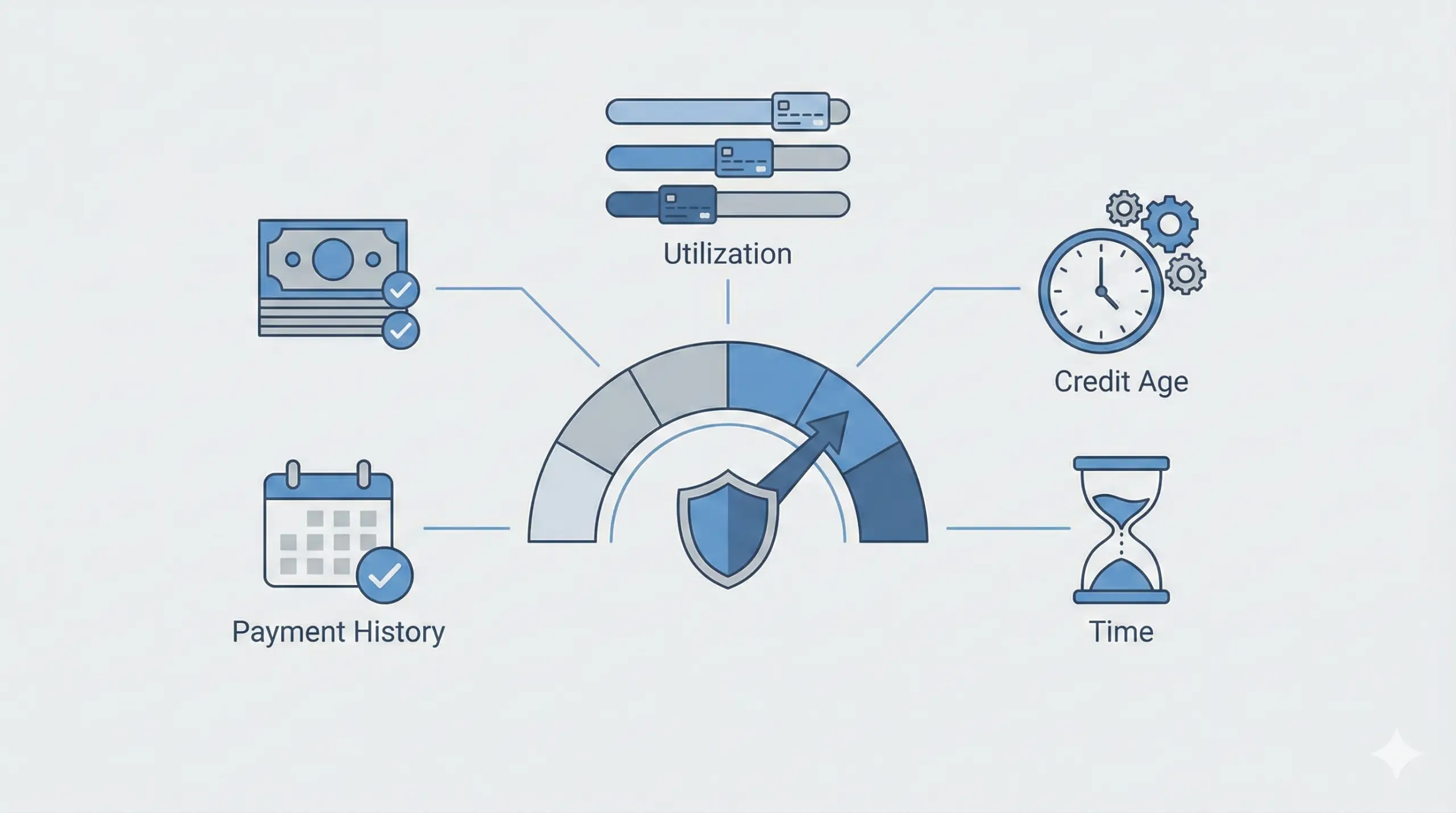
Step 1: Strengthen Your Borrower Profile
Lenders price risk.If you look risky, you pay more.
Before applying, focus on:
- Improving your credit score
- Paying down revolving debt
- Reducing your DTI
- Documenting income clearly
- Avoiding new credit applications
- Keeping cash reserves available
Step 2: Compare APR, Not Just Rate
The interest rate tells you the cost of borrowing.The APR gives a broader view because it includes certain lender fees and costs.
Compare:
- Interest rate
- APR
- Origination fees
- Discount points
- Closing costs
- Monthly payment
- Cash needed to close
Step 3: Shop at Least Three Lenders
Do not take the first quote.Get quotes from:
- A national lender
- A local mortgage broker
- A credit union or community bank
That difference can save or cost you thousands.
→ Compare mortgage rates from multiple lendersStep 4: Understand Rate Locks
A rate lock protects your quoted mortgage rate for a set period.Common lock periods include:
- 30 days
- 45 days
- 60 days
- How long is the lock?
- Is there a float-down option?
- What happens if closing is delayed?
- Are there extension fees?
Step 5: Calculate the Full Monthly Payment
Your mortgage rate is only one piece of affordability.Your full monthly housing cost may include:
- Principal
- Interest
- Property taxes
- Homeowners insurance
- PMI
- HOA fees
- Maintenance reserves
Step 6: Do Not Rely on a Future Refinance
“I’ll refinance later” is not a strategy.It is a possibility.
Refinancing depends on:
- Future rates
- Your credit profile
- Your home value
- Your equity
- Closing costs
- Lender requirements
A future refinance should be upside, not the thing that makes the deal survivable.
Common Mortgage Rate Mistakes
1. Chasing the Lowest Advertised Rate
Advertised rates often assume perfect credit, large down payments, and points.2. Ignoring APR
APR helps reveal the true cost of the loan.3. Opening New Credit Before Closing
New debt can damage your DTI and derail approval.4. Forgetting Total Cost of Ownership
Taxes, insurance, HOA fees, and maintenance matter.5. Waiting Forever for Lower Rates
Lower rates can bring more buyer competition and higher home prices.Should You Pay Points to Lower Your Rate?
Discount points let you pay upfront to reduce your interest rate.This can make sense if you keep the loan long enough to break even.
Ask for the break-even period:
Cost of Points / Monthly Savings = Break-Even MonthsIf you may sell or refinance before the break-even point, points may not be worth it.
Mortgage Rate Shopping Checklist
- Check your credit score
- Calculate your DTI
- Estimate full monthly payment
- Compare at least three lenders
- Review APR, not just rate
- Check closing costs
- Ask about discount points
- Ask about rate lock terms
- Avoid new debt before closing
- Do not rely on a future refinance
Frequently Asked Questions
What affects my mortgage interest rate?
Your rate depends on market conditions, credit score, DTI, down payment, loan type, property type, and lender pricing.Should I compare APR or interest rate?
Compare both, but APR gives a better view of total cost because it includes certain fees.Should I lock my mortgage rate today?
If the rate creates a payment you can comfortably afford, locking can protect you from market volatility.Does a higher down payment get a better rate?
Often, yes. A larger down payment reduces lender risk and may improve pricing, but do not drain your emergency fund.Should I wait for mortgage rates to drop?
Not automatically. Lower rates can increase competition and home prices. Focus on whether the full payment works today.Final Take
Today’s mortgage interest rates matter, but they are not the whole deal.The smart move is to compare the full loan structure:
- Rate
- APR
- Fees
- Points
- Monthly payment
- Cash to close
- Long-term flexibility
That is how you turn a noisy rate market into a smart mortgage decision.
→ Compare today’s mortgage interest rates and calculate your real monthly payment🏠 Mortgage Payment Calculator
📖 Complete guide: Mortgage Rates: Complete 2026 Guide
Related: Understanding Mortgage Rates A Professional Guide To The Market · 30 Year Mortgage Rate History What Investors Need To Know · 15 Year Mortgage Rate History What Borrowers Need To Know