Debt Payoff Strategies: How to Interpret Your Snowball vs. Avalanche Calculator Results
If you’ve spent any time staring at your finances, you know the feeling: the weight of multiple debts can feel like a mountain you’re never going to climb. You’ve likely plugged your numbers into a debt snowball vs. avalanche calculator, hoping for a clean, definitive answer. But when the results page loads, you’re left with two different payoff dates and a whole lot of questions.Which path is actually better for your professional life? Is it really just about the math, or is there a psychological component that the spreadsheet isn’t telling you?
In this guide, we’re going to walk through how to interpret those calculator results like a pro, understand the trade-offs, and (most importantly) choose the strategy you’ll actually stick with.
The Core Concept: Math vs. Momentum
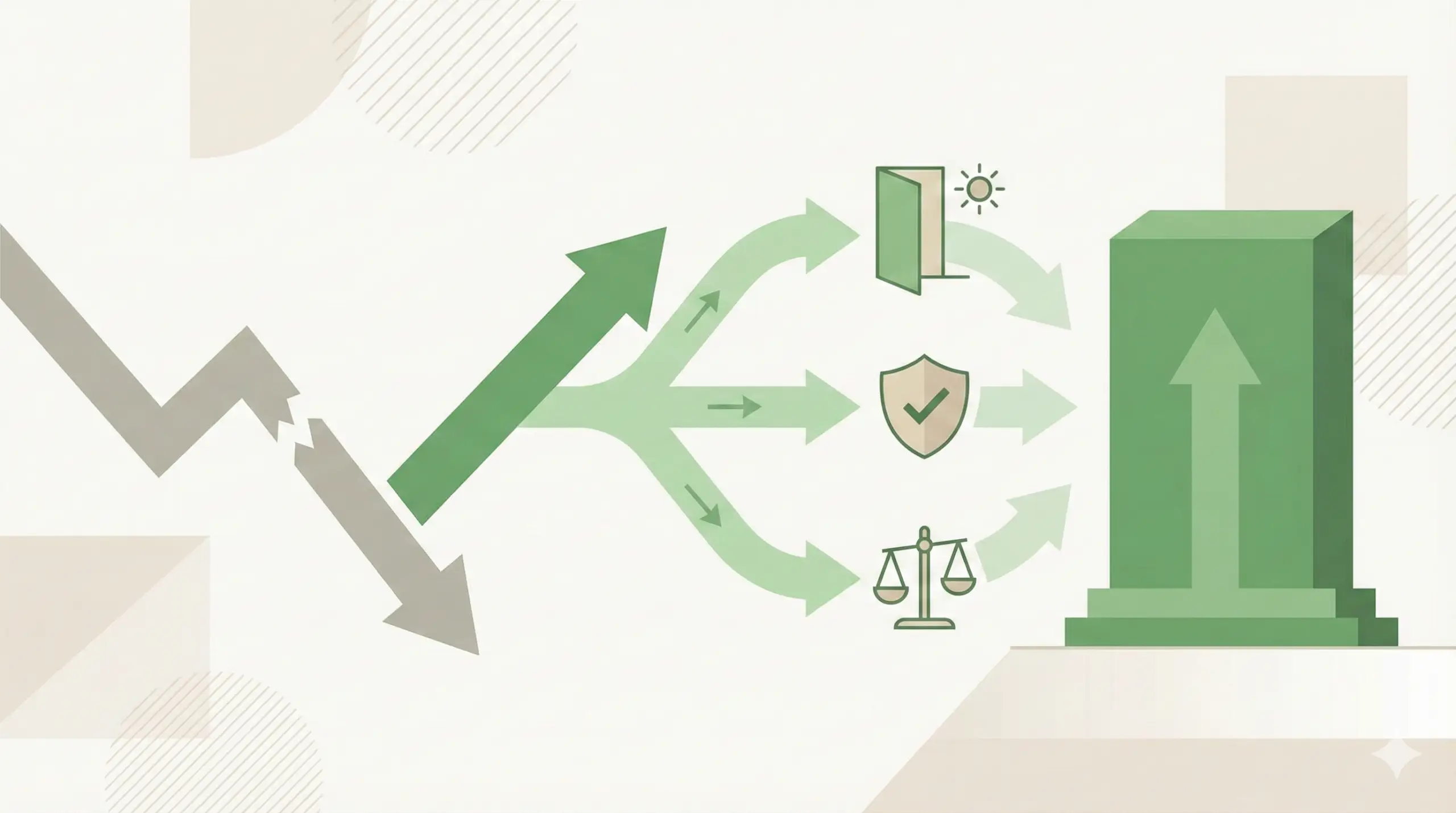
Before we dive into the “how-to,” let’s get on the same page about what these calculators are actually doing. Most tools operate on two distinct philosophies: The Debt Avalanche: This is the mathematically optimal path. You focus your extra payments on the debt with the highest interest rate, regardless of the balance. It saves you the most money in the long run. The Debt Snowball: This is the behavioral path. You focus on the smallest balance first, regardless of interest rates, to build quick wins.Ehrlich gesagt, das ist der Punkt, an dem die meisten Leute hängen bleiben. We’re trained as professionals to make mathematically efficient decisions. But personal finance is 80% behavior and only 20% calculation. If you choose the “logical” path but lose motivation after three months, the math was pointless.
Step 1: Analyze the “Interest Saved” Gap
When you run your calculator, look closely at the “Total Interest Paid” for both scenarios.For many high-income earners, the gap between the Snowball and Avalanche methods might only be a few hundred or a couple thousand dollars over the course of several years.
The Action:
Ask yourself: Is the extra cost of the snowball method worth the price of admission for my peace of mind?If the interest gap is negligible compared to your monthly discretionary income, the Snowball method might actually be the superior strategic choice because it eliminates accounts faster. Psychologically, closing an account feels like a win—and in a high-stress professional career, those wins keep you from burnout.
Step 2: Evaluating Your “Time-to-Debt-Free” Date
The calculator will give you two different dates. This is usually where the biggest emotional reaction happens.If you are a goal-oriented individual (and let’s be honest, most of us are), seeing that “Avalanche” date arrive six months earlier than the “Snowball” date can be a huge motivator.
Pro-Tip:
Check the “debt-free date” for the account you are currently stressing about most. Sometimes, the Snowball method clears your smallest nuisance debt in just two months. Being able to cross one creditor off your list early can provide a massive psychological boost that the Avalanche method won’t give you until the very end.Step 3: Assessing Your Cash Flow Volatility
This is a step most people skip, and it’s a big mistake. A calculator assumes your income and expenses are static—that you’ll have the exact same amount to throw at debt every single month for the next three years.We know that’s not how professional life works. You might have a bonus, a quarterly tax bill, or an unexpected expense.
If your income is stable:
You can safely lean toward the Avalanche method. You have the predictability to follow the math.If your income is variable:
The Snowball method is often safer. By paying off small debts, you reduce your “minimum payment burden.” If you have a bad month, your required monthly output is lower, which gives you more breathing room.Common Pitfalls: Where Most People Go Wrong
Even with the best tools, you can fall into traps. Let’s look at the “hidden” mistakes that undermine your progress.1. Ignoring the “Aggressive Repayment” Reality
A calculator shows you the result if you pay the extra amount every single month. But many people treat their “extra payment” as a “maybe I’ll pay it if I have money left over” fund. Correction: Automate your debt payments as if they were a fixed bill. If it doesn’t leave your account automatically, you will find a way to spend it.2. Failing to Re-calculate After a Win
Life changes. If you get a raise or pay off your smallest card, you must update the calculator. Most people run the calculation once and then set it and forget it. Re-running the numbers every quarter keeps the goal fresh and allows you to adjust your velocity.3. Overlooking Tax-Advantaged Opportunities
If you have high-interest debt, the Avalanche method is generally the way to go. But if your debt is at a lower interest rate (say, a student loan or a low-interest personal loan), consider whether that money would be better used in a high-yield retirement account.Don’t blindly attack debt if your capital could be earning more elsewhere.
How to Choose the Right Strategy for You
You have the data. You’ve looked at the interest saved, the time saved, and your own cash flow reality. So, how do you finally commit?Choose the Avalanche if:
- You are highly disciplined and view debt as a strictly numerical problem.
- Your interest rates vary wildly (e.g., a 24% credit card vs. a 5% loan).
- You are motivated by the idea of maximizing your net worth.
Choose the Snowball if:
- You find yourself getting discouraged when you don’t see progress quickly.
- You are juggling many small, annoying balances that clutter your mental space.
- You need to lower your monthly fixed obligations quickly to handle career changes or life transitions.
The Role of “Hidden” Debt
Don’t forget to include those forgotten debts—the store credit card you haven’t used in a year or the small medical bill that’s lingering in your inbox. When you use your snowball vs. avalanche calculator, make sure every single liability is listed. Why? Because the “Snowball” relies on clearing accounts. If you forget a small debt, you miss the chance to cross it off your list. Crossing things off is what keeps the momentum going. It sounds simple, maybe even a bit trivial, but that sense of completion is powerful.Moving Beyond the Calculator
Once you have your result, don’t just close the tab. Print the strategy out. Put it somewhere you’ll see it.The calculator has done its job—it has provided the map. Now, the execution phase begins. You are no longer just “dealing with debt”; you have an optimized, clear-cut strategy tailored to your behavior and your finances.
If you hit a wall, remember: this is a marathon, not a sprint. If you have a bad month, don’t abandon the plan. Just update the calculator, adjust your timeline, and keep moving.
You’ve got the strategy, the tools, and the understanding. You’re already ahead of 90% of people who are just hoping the debt will disappear on its own.
Now, take those results, pick your path, and start that first payment. Your future self is already thanking you.
Decision Matrix: Snowball vs. Avalanche
| Factor | Avalanche | Snowball |
|---|---|---|
| Interest Savings | ✓ Maximum | Lower |
| Psychological Wins | Delayed | ✓ Frequent |
| Best For | Disciplined planners | Momentum seekers |
| Cash Flow Flexibility | Moderate | ✓ High (fewer accounts) |
Frequently Asked Questions
Can I switch strategies midway?
Absolutely. Many people start with Snowball to build momentum, then switch to Avalanche once they’ve eliminated a few accounts and feel confident.What if my highest-interest debt is also my largest balance?
This is tough. Consider a hybrid approach: knock out one small debt first for the win, then pivot to the Avalanche method for the long haul.Should I stop all investing while paying off debt?
Not necessarily. If you have employer 401(k) matching, always take that—it’s free money. For high-interest debt (above 7-8%), prioritize payoff. For lower rates, investing may yield better returns.How often should I recalculate?
Every quarter or whenever a major financial change occurs (raise, bonus, debt payoff, new debt).❄️ Debt Payoff Calculator
📖 Complete guide: Debt Management: The Complete 2026 Guide
Related: The Debt Snowball Method A Guide To Getting Out Of Debt · Avalanche Vs Snowball Which Debt Strategy Works For You · Debt Snowball Vs Avalanche Which Debt Method Is Better