I didn’t realize until my first home offer was accepted that closing costs would hit me with an extra $12,000 bill I wasn’t prepared for – and I’m guessing you might be facing the same sticker shock right now. Here’s the truth: lenders and real estate agents don’t always make it crystal clear that you’ll be paying 2-5% of your loan amount just to cross the finish line. Let me walk you through exactly what those mysterious closing costs actually are, so you can budget like a pro and avoid any surprises.
Closing Costs 2026 Estimate: A Professional Guide for Buyers
Buying or refinancing property in 2026 requires navigating closing costs – a collection of charges paid to third parties including lenders, title companies, government agencies, and inspectors. These costs typically range between 2% and 5% of your total loan amount.
What Comprises Closing Costs
The main components include loan origination fees, appraisal and inspection fees, title insurance and search costs, prepaid items (property taxes, homeowners insurance, and interest), and government recording fees.
Calculating Your 2026 Estimate
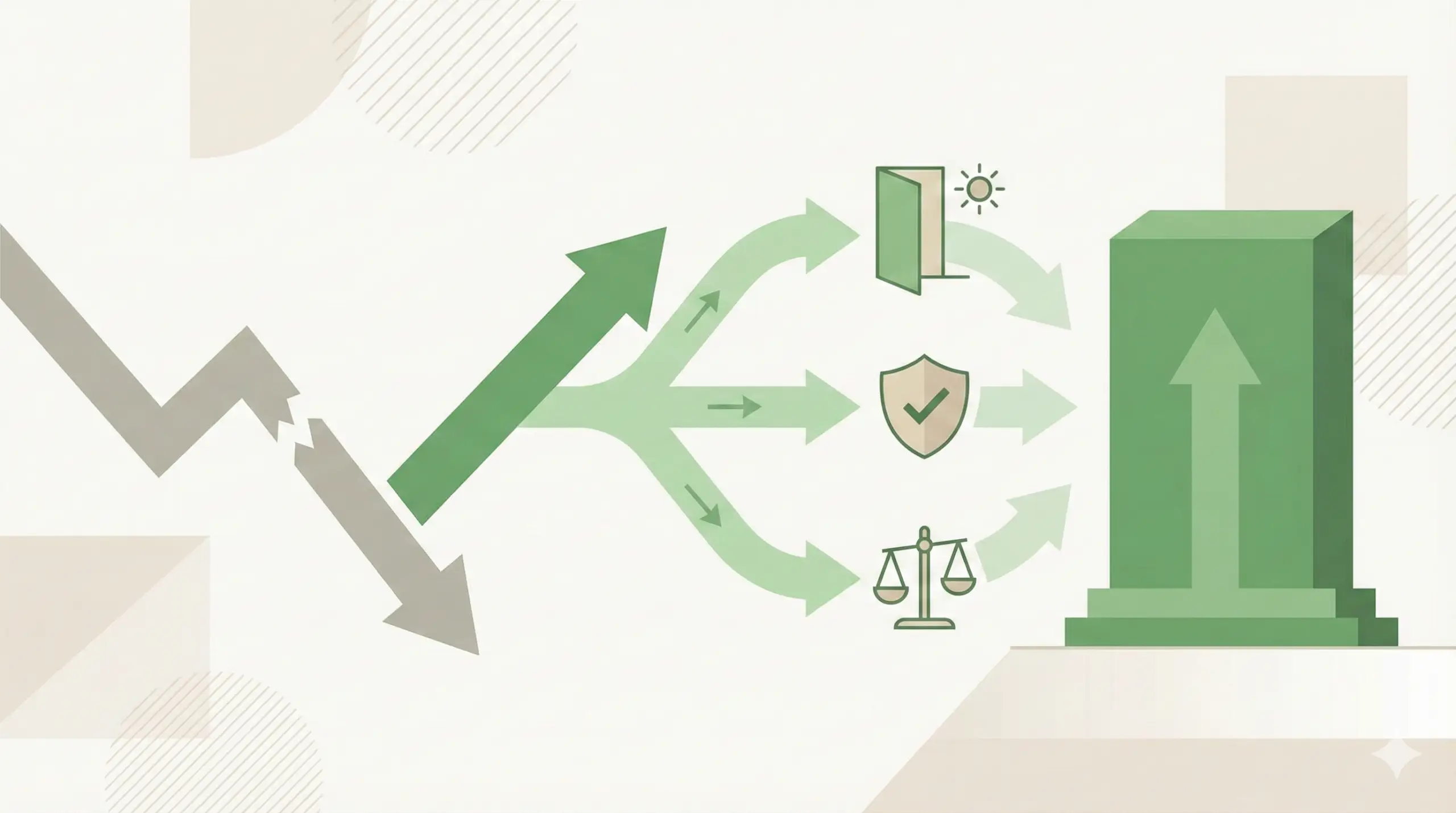
The guide recommends a four-step approach: obtain a Loan Estimate from your lender within three business days, research location-specific transfer taxes and mortgage recording taxes, audit prepaid items to ensure accuracy, and add a 10-15% cushion to account for unexpected contingencies.
Common Professional Pitfalls
Experienced buyers often overlook negotiable title insurance fees, fail to account for escrow account timing, and do not monitor interest rate fluctuations that affect prepaid interest calculations.
Strategic 2026 Recommendations
use Remote Online Notarization where available to reduce costs. Negotiate seller concessions to preserve capital. Request the Closing Disclosure at least three business days before closing to identify unexpected fee increases exceeding 10%.
Key Takeaways
Closing costs cannot typically be rolled into loans, though lender credits exchanging higher interest rates for cost coverage exist. Investment property closing costs may be tax-deductible, while primary residence costs generally are not. Different lenders provide varying estimates based on their assessment methodologies.
—
I want you to grab a closing costs calculator right now and run your numbers with your actual loan amount – it’ll take five minutes and give you real clarity on what to expect. Drop a comment below if you have questions about any of these costs or your specific situation; I read every single one and love helping first-time buyers navigate this stuff. You’re closer to that keys-in-hand moment than you think, and understanding your closing costs upfront is exactly the kind of smart move that sets successful buyers apart – happy homebuying, you’ve got this.