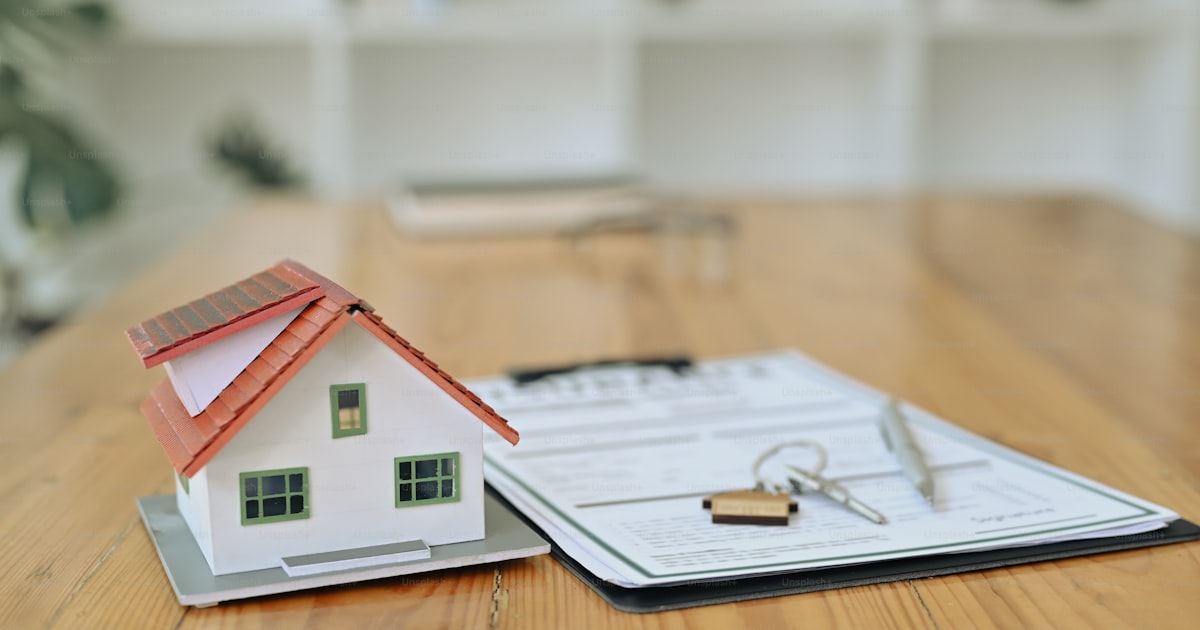
I spent two years saving for a down payment, thinking I had to scrape together 20% on my own, until I discovered I was leaving $10,000 or more on the table. There are programs designed specifically to close that gap, and most first-time buyers have no idea they exist. Here’s how to find assistance that could make homeownership happen years sooner.
What Is Down Payment Assistance?
Down payment assistance (DPA) is money from state housing finance agencies, cities and counties, nonprofits and some employers that helps buyers cover a down payment, closing costs or both. There are thousands of programs across the U.S., and assistance amounts commonly range from a few thousand dollars to $25,000 or more in high-cost areas.
Types of Down Payment Assistance
| Type | How repayment works | Watch out for |
|---|---|---|
| Grant | Never repaid | Usually smaller amounts; may be tied to a specific lender or first mortgage |
| Forgivable loan | Forgiven over a set period (often 5–10 years) if you stay in the home | Sell or refinance early and you may owe part of it back |
| Deferred-payment loan | No monthly payments; repaid when you sell, refinance or pay off the mortgage | Reduces your equity when you sell |
| Low-interest second mortgage | Repaid monthly alongside your main mortgage | Adds to your monthly payment and DTI |
| Mortgage Credit Certificate (MCC) | Not cash: a federal tax credit for part of your mortgage interest each year | Fees and possible recapture tax if you sell within 9 years |
Who Qualifies?
Every program sets its own rules, but most look at the same factors:
- First-time buyer status. Usually defined as not having owned a home in the past three years, so many repeat buyers still qualify. Some programs waive this for veterans or targeted areas.
- Income limits. Often tied to the area median income (for example, 80%–120% of AMI). Many programs serve moderate- and middle-income households, not just low-income buyers.
- Purchase price limits for the home.
- Minimum credit score, commonly around 620–640.
- Homebuyer education, usually a HUD-approved course.
- Owner occupancy. You must live in the home as your primary residence.
- A minimum contribution of your own funds in some programs, often $500 to $1,000 or 1% of the price.
Your Step-by-Step DPA Roadmap
- Check your basics. Know your credit score, household income and roughly what you can afford. Our affordability calculation helps.
- Find programs. Start with your state housing finance agency, then your city and county housing departments. A HUD-approved housing counselor can help you find local options at little or no cost.
- Find a lender that participates. Most DPA must be paired with an approved lender and a specific first mortgage (often FHA or a conventional program like HomeReady). Ask lenders directly how many DPA loans they close.
- Take the homebuyer education course early. Certificates are often valid for about a year.
- Gather documents: pay stubs, W-2s, tax returns, bank statements and ID. Our pre-approval checklist has the full list.
- Get pre-approved with DPA built in so your offer amount accounts for the program’s price and income limits.
- Shop and make offers on homes that meet program requirements, and allow extra time; some programs need their own approval before closing.
Combining DPA With Other Help
Many buyers stack assistance. You might combine a state DPA second mortgage with a city grant, seller concessions for closing costs and gift funds from family. Fannie Mae’s Community Seconds and Freddie Mac’s Affordable Seconds frameworks are designed to let approved second-mortgage programs work alongside conventional loans. Your lender has to approve the full combination, so ask early.
Mistakes That Cost Buyers Their Assistance
- Waiting until you’ve found a house. Some programs run on limited annual funding and pause when money runs out.
- Assuming you earn too much. Income limits are often higher than people expect, especially in high-cost areas.
- Using a lender that doesn’t participate. Not every lender can originate every DPA program.
- Opening new credit before closing. A new car loan can push your DTI past program limits.
- Not reading the repayment terms. Know exactly when a forgivable loan becomes due if you sell or refinance.
- Forgetting closing costs. They often total 2% to 5% of the loan; make sure your assistance or another source covers them.
Frequently Asked Questions
Do I have to pay back down payment assistance?
It depends on the type. Grants don’t need to be repaid; forgivable loans are forgiven if you meet the terms; deferred and repayable loans must be paid back.
Can I get DPA if I’ve owned a home before?
Often, yes. Most programs define a first-time buyer as someone who hasn’t owned a home in the past three years.
Does DPA raise my interest rate?
Some programs pair assistance with a slightly higher first-mortgage rate. Compare the total cost with and without assistance.
Can I use DPA with an FHA or VA loan?
Many programs work with FHA loans, and some with VA, USDA and conventional loans. Check the program’s approved loan types.
For a broader overview of programs available this year, see our guide to down payment assistance programs in 2026.