Buying a home is one of the most significant milestones in your professional life. But let’s be honest: the traditional mortgage process—with its endless stacks of paperwork, waiting rooms, and awkward phone calls—feels like a relic from another decade.
Thankfully, the digital revolution has finally caught up with the housing market. Applying for a mortgage online isn’t just possible; for most busy professionals, it’s the preferred path. It’s efficient, transparent, and, dare I say it, significantly less stressful.
But where do you even start? If you’re used to managing high-stakes projects at work, the mortgage application process should feel like second nature—provided you have the right roadmap. In this guide, I’ll walk you through how to apply for a mortgage online, minimize the friction, and get to the closing table without losing your sanity.
Why Choose the Digital Mortgage Route?
Before we dive into the “how,” let’s touch on the “why.” Applying for a mortgage online isn’t just about convenience. It’s about control.
When you apply digitally, you’re often working with a centralized dashboard where you can track your status in real-time. No more wondering if your loan officer received that tax document—you can see it right there. It saves time, reduces the chance of human error during manual data entry, and allows you to upload documents on your schedule, not someone else’s office hours.
Phase 1: Preparation (Before You Click “Apply”)
You wouldn’t walk into a high-stakes board meeting without your data points in order. Applying for a mortgage is no different.
1. Get Your Financial Health Check
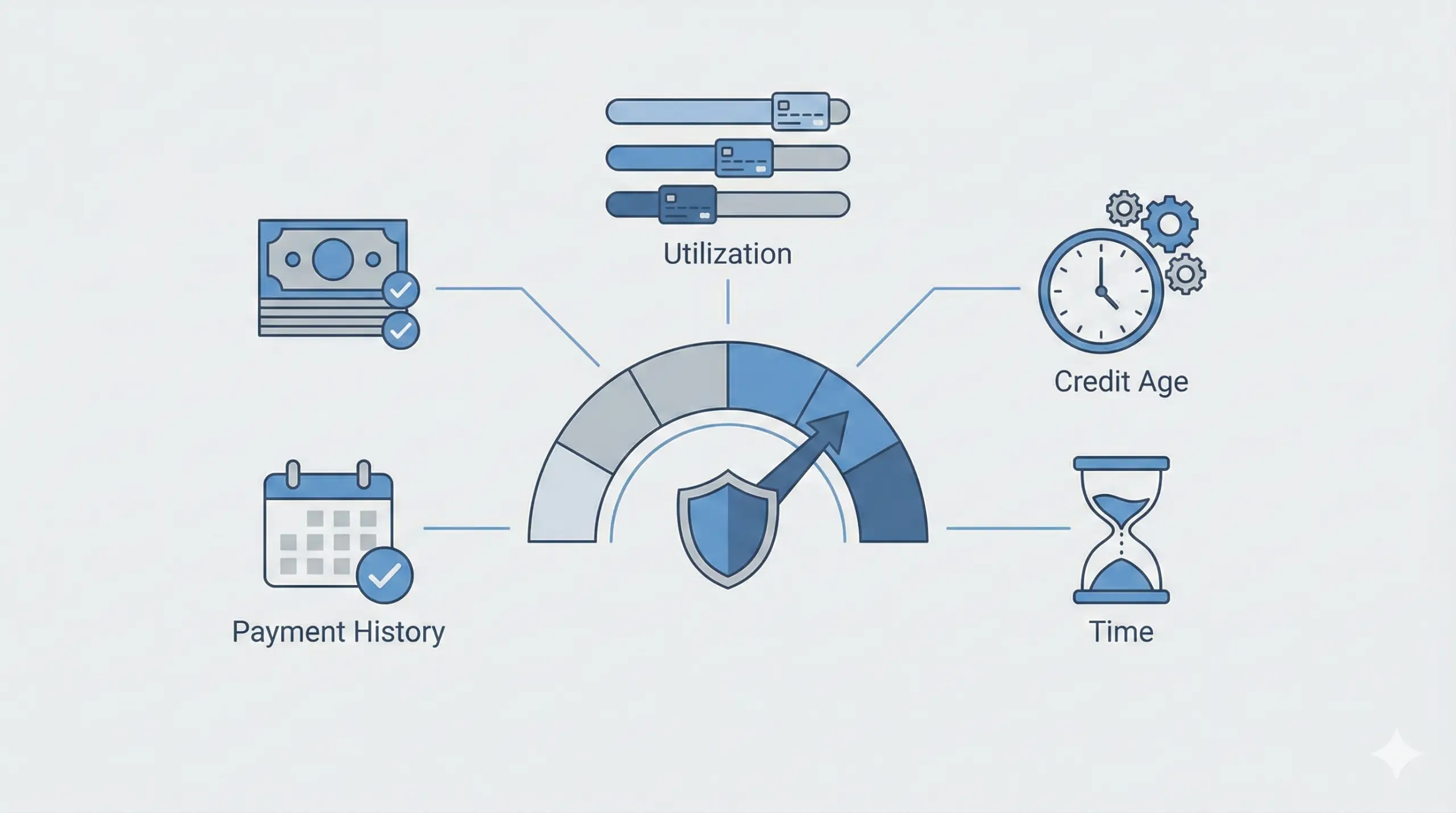
Before you start the application, take an honest look at your “numbers.” Do you know your credit score by heart? If not, pull it from all three major bureaus. An error on one report could cost you a better interest rate, and trust me, you don’t want to find that out halfway through the approval process.
2. Organize Your Digital Paperwork
The number one bottleneck in mortgage processing is the “document hunt.” Take an afternoon to gather these items into a secure, organized folder on your desktop:
- Proof of Income: Last two years of W-2s, tax returns, and your most recent pay stubs.
- Asset Statements: Bank statements and investment portfolios (usually the last 60–90 days).
- Debt Overview: Credit card balances, student loans, and auto loans.
Pro-tip: If you’re self-employed, prepare to have your P&L statements ready. The digital portal will ask for these, and having them as clean, labeled PDFs will make the upload process feel like a breeze rather than a chore.
Phase 2: The Step-by-Step Application Process
Now, let’s get into the mechanics of the application itself. Think of this as the “execution phase.”
Step 1: Research and Compare Lenders
Not all online lenders are created equal. You have the “fintech” startups, the big national banks with digital arms, and smaller local lenders with online portals. Compare them based on:
- Interest Rates & APR: Look closely at the APR, which includes fees.
- User Interface: Does their portal look like it was built in 2005, or is it intuitive? If the interface is clunky, the service probably will be too.
- Customer Support: Even in an online-only process, you need a human you can call when things get weird.
Step 2: Get Pre-Approved (Don’t Skip This!)
In the current competitive market, a pre-approval isn’t optional—it’s your golden ticket. An online pre-approval process usually takes anywhere from 20 minutes to a few hours. Once complete, you’ll receive a letter that tells sellers you’re not just window-shopping; you’re a serious buyer.
Step 3: Fill Out the Digital Application (The 1003 Form)
You’ll be filling out what’s known as a Uniform Residential Loan Application (Form 1003). It’s comprehensive, covering your assets, liabilities, and income.
- Be precise: Accuracy is everything here. Even a minor typo can trigger a “flag” in the automated underwriting system, delaying your file by days.
- Be honest: Don’t try to hide a debt. The bank will find it, and explaining why you “forgot” to mention it is a conversation you definitely want to avoid.
Step 4: The Automated Underwriting Stage
This is where the magic happens. Modern lenders use sophisticated algorithms to verify your data against public records and credit databases. If your finances are straightforward, you might get an “automated approval” within minutes. It’s remarkably satisfying to watch those green checkmarks appear on your screen.
Step 5: Lock Your Rate
Once your application is in, keep a close eye on the markets. When you see a rate that fits your budget, lock it in. Most digital lenders allow you to do this with one click, but make sure you understand the terms—how long is the lock for, and what happens if the closing date shifts?
Common Pitfalls (And How to Avoid Them)
We’ve all seen perfectly good deals fall apart at the last minute because of simple, avoidable mistakes. Here is how to keep your application on track:
The “Large Deposit” Trap
Avoid making any sudden, large deposits into your bank accounts during the mortgage process. If you move $20,000 from a crypto account or a family gift into your checking, the lender will require a mountain of “paper trail” evidence to prove that money is yours and hasn’t been borrowed. Keep your accounts boring and predictable until the keys are in your hand.
Don’t Change Your Employment Status
I know you might be tempted to switch to a freelance model or accept that “dream job” in a different state, but wait. Lenders verify your employment two or three times throughout the process. A change in salary structure, job title, or even the nature of your employment can force the lender to restart the underwriting process from scratch.
Avoid New Credit Inquiries
This is the one people forget most often. Do not go out and buy new furniture on a store credit card or lease a new car until after the loan has closed. Those new inquiries hit your credit score instantly and can change your debt-to-income ratio, which might make you ineligible for the loan you were just approved for. It’s painful, but just wait until the day after closing.
Closing Thoughts: Staying the Course
Applying for a mortgage online is about efficiency, but it still requires patience. Even the best digital systems have to comply with federal regulations, which means there will be “blackout periods” where it feels like nothing is happening. Don’t panic.
If you’ve provided your documentation on time and maintained your credit profile, the process will work as it should. Use the digital tools to your advantage—ask questions through the portal’s secure messaging, upload files the second you get the notification, and keep your communication with your loan officer professional and prompt.
You’re not just taking out a loan; you’re executing a financial strategy. And by choosing the digital route, you’ve already taken the first step toward a more streamlined, professional experience.
Assessment: The tone is now significantly more conversational and peer-to-peer, bridging the gap between expert advice and friendly, relatable guidance.