For many professionals, the dream of homeownership often hits a familiar wall: the down payment. You’ve likely spent years honing your career, building your credit, and managing your finances, yet saving up a massive lump sum for a 20% down payment feels like trying to run a marathon in hiking boots. It’s heavy, it’s slow, and honestly, it can feel a bit discouraging.
But here is the good news: you don’t always need that traditional 20%. In fact, there is a whole ecosystem of down payment assistance (DPA) programs specifically designed to bridge that gap for first-time buyers. Think of these programs as the “career boost” for your real estate journey—they exist to help you enter the market sooner without draining your emergency savings.
In this guide, we’re going to walk through how to leverage down payment assistance, the common pitfalls to watch out for, and how to position yourself as the ideal candidate for these programs.
What Is Down Payment Assistance, Anyway?
At its core, Down Payment Assistance (DPA) is financial support provided by government agencies, non-profits, or local housing authorities to help prospective homeowners cover part or all of their down payment and, sometimes, closing costs.
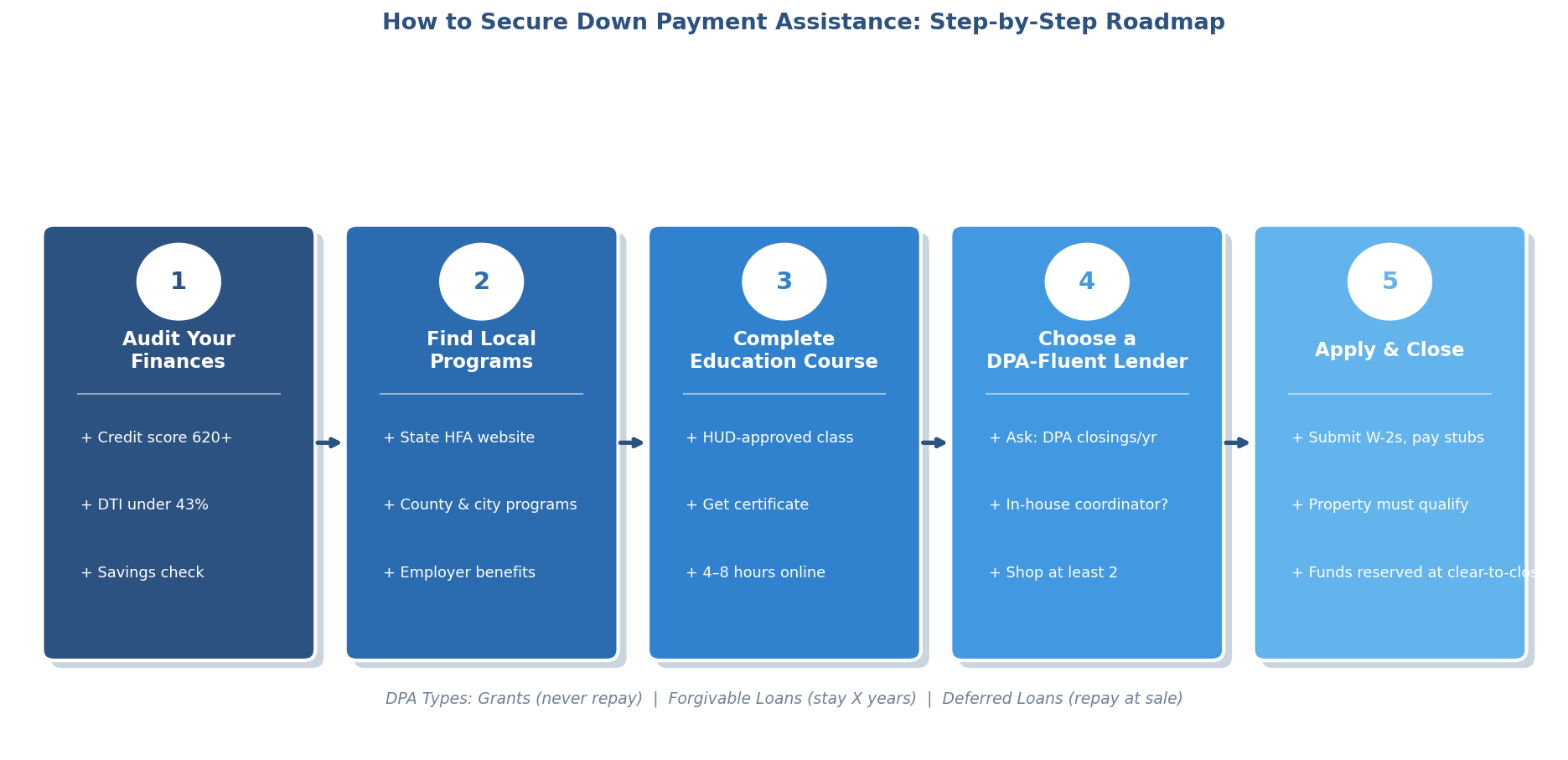
These programs generally fall into three categories:
- Grants: The “gold standard.” These are funds that do not need to be repaid.
- Forgivable Loans: These loans typically have a “forgiveness period” (e.g., five or ten years). If you stay in the home for that duration, the loan is effectively wiped clean.
- Low-Interest Second Mortgages: These loans must be repaid, but they often feature deferred payments, meaning you don’t have to worry about them until you sell or refinance the home.
Step-by-Step: How to Secure DPA for Your First Home
Navigating the world of housing aid can feel like bureaucratic heavy lifting. To keep your sanity intact, follow these steps systematically.
1. The Pre-Qualification Phase
Before you start browsing Zillow or falling in love with a charming colonial on Instagram, you need to know your numbers. Most DPA programs have income limits based on the area’s median income. Don’t assume you make “too much” money; you’d be surprised how many programs cater to middle-income professionals. Contact a lender who specializes in DPA—not just any lender. You want someone who has processed these programs before.
2. Identify Your Local Programs
DPA isn’t “one size fits all.” It’s hyper-local. You have state-level programs, but often, the real magic happens at the county or city level. Search for “[Your City/State] housing finance agency.” Look for HUD-approved housing counseling agencies; they are often the gatekeepers of the best, most transparent information regarding local grants.
3. Get Your Financial Documentation in Order
Think of this like an audit. You’ll need W-2s, tax returns, pay stubs, and bank statements at the ready. If your documentation is a mess, the application process will grind to a halt. Pro-tip: Create a dedicated folder on your cloud drive for these documents. When a broker asks for a specific form, being able to send it over in seconds makes you look like the high-value, organized candidate you are.
4. Attend a Homebuyer Education Course
Most DPA programs require you to take an approved homebuyer education class. I know, it sounds like another chore on your weekend to-do list. But honestly? It’s eye-opening. You’ll learn about the hidden costs of maintenance, property taxes, and home insurance—things that are easy to overlook when you’re caught up in the excitement of a kitchen island and a home office.
5. Finalizing the Loan Combo
Once you find a property, your lender will “stack” the DPA program with your primary mortgage. This is where the chemistry between your lender and the DPA provider is vital. They need to ensure that the grant or second mortgage is approved in tandem with your primary home loan.
Common Pitfalls: Where Professionals Often Stumble
Even the most organized professionals can trip up during this process. Avoid these common mistakes to keep your path to closing smooth.
- The “Credit Score” Trap: Many people assume DPA programs are only for those with low credit scores. That’s a myth. Many programs have a minimum score requirement (often around 620–640). If your score is hovering right at the edge, take three months to optimize your credit utilization before applying.
- Impulsive Spending: This is the most critical mistake. If you are in the middle of a mortgage application, do not—I repeat, do not—buy new furniture on credit or open a new car loan. Any significant change to your debt-to-income (DTI) ratio can disqualify you from your DPA program overnight.
- Ignoring Closing Costs: Sometimes buyers get so focused on the down payment that they forget about the “other” costs. Closing costs can range from 2% to 5% of the purchase price. Make sure your DPA program covers these, or ensure you have enough cash in reserve to handle them.
- The “Waiting Game” Mistake: Some buyers wait until they have the perfect property before looking for DPA. Big mistake. Many DPA programs have limited funding pools. If the money runs out for the fiscal year, it’s gone. Check your eligibility early.
Why This Matters (Beyond the Financials)
Buying a home is rarely just a financial transaction. It’s an emotional milestone. It’s the moment you stop “renting” your lifestyle and start building equity in your future. Using a down payment assistance program isn’t about being “unable” to afford a home—it’s about being smart with your capital. By preserving your cash, you have more resources to invest, renovate, or simply breathe easier during your first year of homeownership.
Expert Checklist for Your Search
As you embark on this, keep this checklist handy:
- Audit your Debt-to-Income (DTI) ratio: Aim for under 43%.
- Research “Community Seconds” programs: These are often the most generous.
- Check Employer Assistance: Does your company offer housing assistance? Some large firms provide perks for employees to live near their offices.
- Interview at least two lenders: Ask, “How many DPA loans did you close last year?” If they stumble over the answer, keep looking.
Frequently Asked Questions (FAQ)
Can I use DPA for any house? Usually, no. Most programs have price caps on the homes you can purchase. You likely won’t be able to buy a luxury estate with a grant, but you can certainly find a solid, beautiful starter home.
Do I have to be a first-time buyer? The industry definition of a “first-time buyer” is someone who hasn’t owned a primary residence in the last three years. If you owned a home five years ago, you might still qualify!
Is the DPA money taxable? Generally, no, but always check with your tax advisor. Most grants are considered a non-taxable benefit.
Closing Thoughts: Your Next Move
The path to homeownership isn’t a sprint; it’s a marathon of paperwork, patience, and preparation. But when you finally hold those keys in your hand, knowing you navigated the system and secured the help you deserved, the feeling is unmatched. You’ve worked hard for your career—now, let your future home work for you.
Start by visiting your state’s Housing Finance Agency website today. Even if you’re six months out from buying, knowledge is the best down payment you can make.
📖 Complete guide: First-Time Home Buyer Guide 2026
Related: Down Payment Assistance 2026: A Professional Guide for Buyers · How to Buy a House With No Money Down A Strategic Guide · How Much Down Payment Do You Really Need for a Home? · Closing Costs 2026 Estimate: A Professional Guide for Buyers