Buying a home is arguably the biggest financial milestone you’ll hit in your career. You’ve worked hard, you’ve climbed the ladder, and now you’re ready to stop paying your landlord’s mortgage and start building your own equity. But then, you hit the inevitable wall: the down payment.
We’ve all heard the “20% rule.” It’s the gold standard that financial advisors have been preaching for decades. But let’s be honest—in today’s market, putting down 20% on a home in a major city can feel like trying to buy a small island. Is it actually necessary? Or is it an outdated relic of the 1980s?
In this guide, we’re going to cut through the jargon. We’ll look at the math, the pros and cons, and how to determine the exact amount that makes sense for your specific financial situation.
The Reality Check: Is 20% Still the Magic Number?
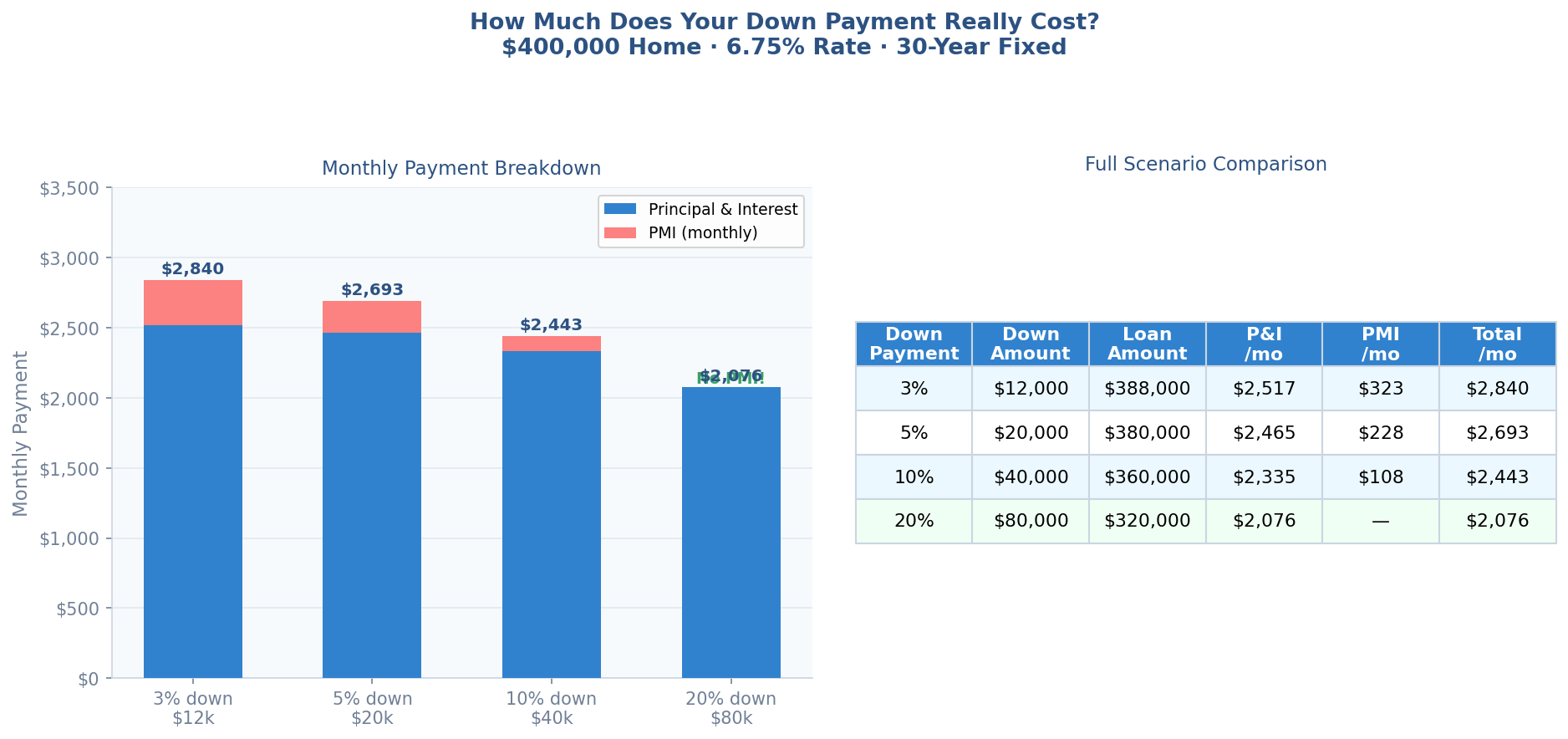
If you talk to a traditional banker, they’ll tell you that 20% is the target. Why? Because it eliminates the need for Private Mortgage Insurance (PMI). That’s the extra fee lenders tack onto your monthly payment if your down payment is less than 20% of the home’s purchase price.
But here’s the reality: According to recent data from the National Association of Realtors, the average first-time homebuyer puts down significantly less than that—often between 6% and 7%.
So, do you need 20%? No. Is it beneficial? Absolutely. The key isn’t hitting a specific percentage; it’s balancing your monthly cash flow with your long-term wealth strategy.
Step-by-Step: Determining Your Personal “Sweet Spot”
Determining your down payment isn’t just about looking at your savings account—it’s about looking at your lifestyle. Follow these steps to find your number.
1. Audit Your “Liquid Safety”
Before you dump every cent of your savings into a down payment, pause. Do you have an emergency fund? A home is a living, breathing asset. The moment you get the keys, you become responsible for the roof, the HVAC system, and that random leak in the basement. Keep at least 3–6 months of living expenses in a high-yield savings account after the down payment. If your down payment depletes your safety net, you’re playing a dangerous game.
2. Factor in Closing Costs
Many professionals focus so hard on the down payment that they completely forget about closing costs. Title insurance, inspection fees, taxes, and appraisal costs can easily run you another 2% to 5% of the purchase price. Make sure you calculate these as an “additional expense” rather than pulling them from your down payment bucket.
3. Evaluate Your Monthly Debt-to-Income (DTI) Ratio
Lenders look at your DTI to see how much of your monthly income goes toward debt. A larger down payment lowers your loan principal, which results in a lower monthly mortgage payment. If your current DTI is tight, a larger down payment might be the difference between getting approved for the house you want or settling for something smaller.
The Pros and Cons of a Lower Down Payment
You might be thinking, “If I can put down 5%, why not just do that and keep the rest of my cash invested?” That’s a fair question, and it’s one that smart investors ask all the time.
Why Less Can Be More:
- Liquidity: Having cash in the market (where it might earn 7–10% annually) might outperform the interest savings you’d get by paying down a 4–6% mortgage.
- Opportunity Cost: That extra cash could be used for necessary renovations, furnishing, or paying off high-interest debt like student loans.
The Hidden Costs of Going Low:
- PMI: As mentioned, this is an added cost that provides zero equity. It’s essentially “renting” the lender’s peace of mind.
- Interest Rates: Often, lenders offer slightly better interest rates to borrowers who put down a larger chunk of change.
- Market Vulnerability: If you put down 3% and the market takes a temporary dip, you could end up “underwater” (owing more than the home is worth). It’s not a problem if you plan to stay for 10 years, but it’s risky if you might need to move in three.
Common Pitfalls: Where Even Experts Go Wrong
Even the most organized professionals fall into traps when navigating the home-buying process. Don’t be that person.
- The “All-In” Mistake: Putting every dollar into the house and having zero left for the “oh no” moments. You need a buffer. Always.
- Ignoring Interest vs. PMI: Do the math. Sometimes, paying the monthly PMI is cheaper than the interest you’d pay on a larger loan balance if you didn’t have a high down payment. Use an online calculator to compare your scenarios side-by-side.
- Underestimating Maintenance: People often treat their mortgage payment as their only housing cost. They forget to account for property taxes (which can change) and home insurance. Always stress-test your budget by adding 20% to your estimated monthly cost to cover the unexpected.
Strategy: The “Three-Bucket” Approach
If you’re feeling overwhelmed, try splitting your available capital into three distinct buckets:
- The Down Payment Bucket: This is non-negotiable cash for the lender.
- The Closing Costs & Move-in Bucket: This covers the “hidden” fees and those immediate upgrades (like changing the locks or painting).
- The Life Buffer: This is your rainy-day fund. Do not touch this. If you can’t fill this bucket, you aren’t ready to buy yet.
Does Your Debt Strategy Align with Your Career Goals?
Here is where we get a little more tactical. If you are early in your career and expecting significant salary jumps, you might prefer a lower down payment now—even with PMI—because your future income will make those payments feel smaller over time.
Conversely, if you are nearing the peak of your earning potential, you might prefer a larger down payment to minimize monthly expenses and lock in a smaller, more manageable payment for your “forever home.”
It’s all about the timing of your career. Don’t feel pressured to force a 20% down payment if it means stifling your career growth or your personal liquidity.
Frequently Asked Questions (FAQ)
Q: Can I use a gift for my down payment? A: Yes, many lenders allow “gift funds” from family members. However, you will need a formal “gift letter” stating that the money does not need to be repaid.
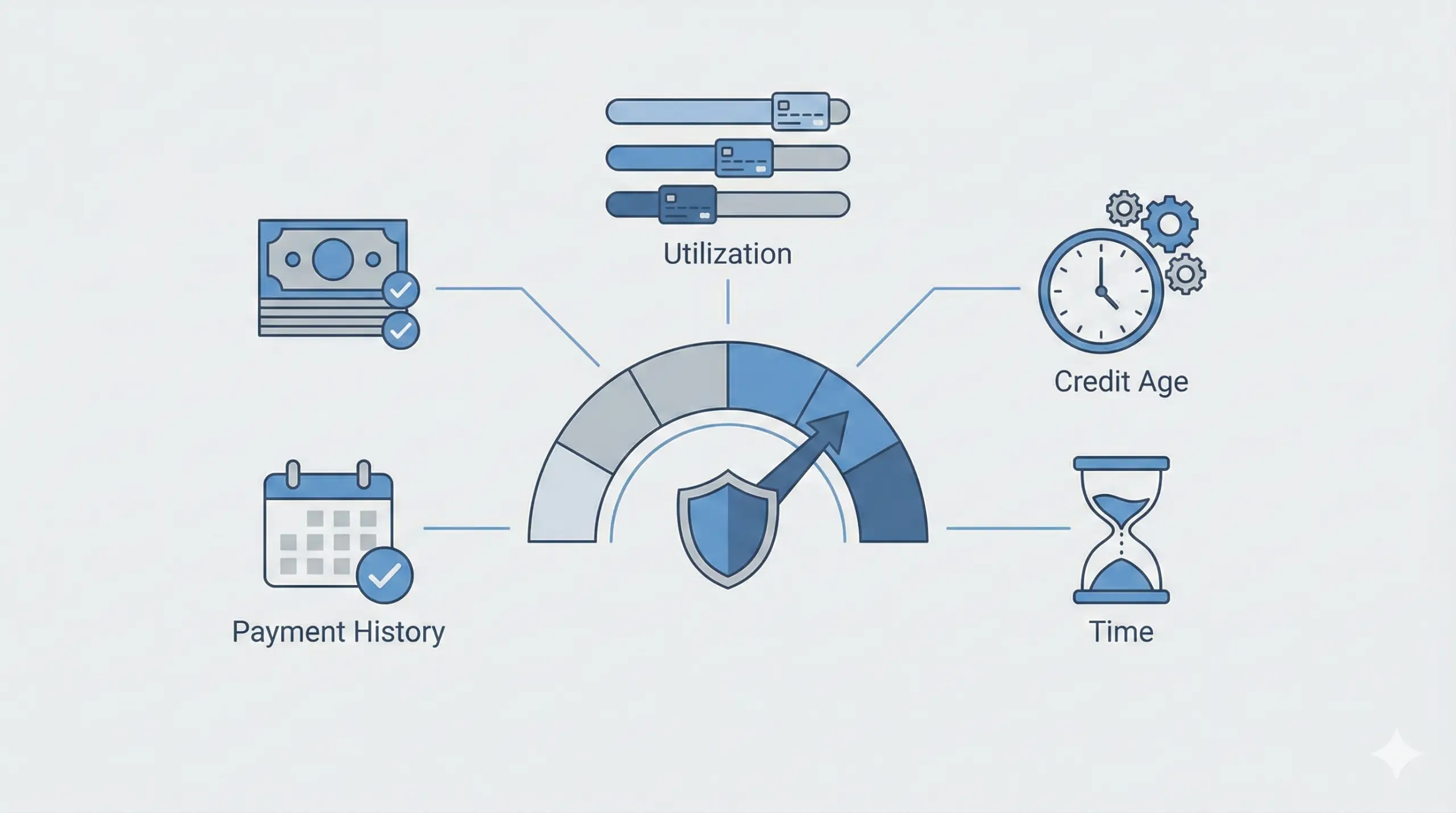
Q: What is a “good” credit score for a lower down payment? A: Generally, a score above 720 will get you the best terms. If your score is lower, you’ll likely need a larger down payment to offset the lender’s risk.
Q: When does PMI go away? A: Once you reach 20% equity in your home (based on the original purchase price), you can request that the lender remove the PMI. It usually drops off automatically when you hit 22% equity.
Final Thoughts: Buy When the Math Meets Your Comfort Level
At the end of the day, there is no “correct” answer—only the answer that keeps you sleeping soundly at night. If you’re the type of person who hates having monthly debt, aim for that 20% (or more). If you’re the type who likes having capital available for investments, look at the 5–10% options and run the numbers on PMI.
Buying a home isn’t just a financial transaction; it’s the backdrop for your life over the next several years. Don’t stretch yourself so thin that you’re house-poor. Focus on your total financial health, not just the percentage you put down on day one.
You’ve got this. Take your time, crunch the numbers, and make the move that aligns with your long-term goals.
📖 Complete guide: First-Time Home Buyer Guide 2026
Related: Down Payment Assistance 2026: A Professional Guide for Buyers · How to Buy a House With No Money Down A Strategic Guide · Down Payment Assistance: A Roadmap for First-Time Home Buyers · Closing Costs 2026 Estimate: A Professional Guide for Buyers